

























































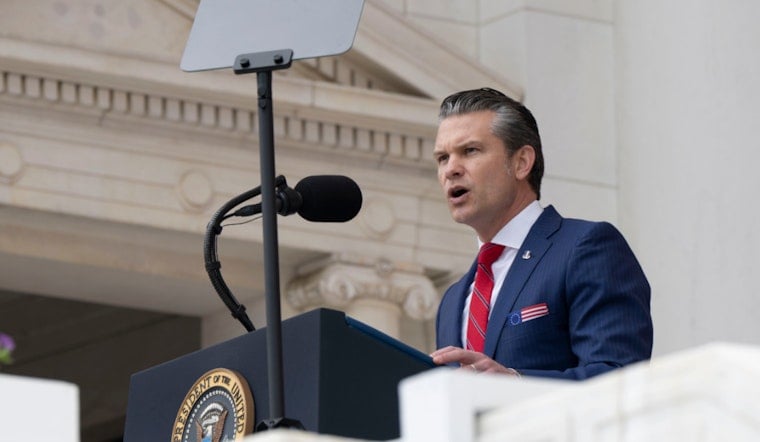
The leak hunt inside Washington just got a lot more official. The Pentagon and the Justice Department have created a joint task force to track down and, when they believe the law has been broken, prosecute unauthorized leaks of defense and war-related information, Defense Secretary Pete Hegseth announced Monday.
Hegseth revealed the move in a short video posted to his social account, saying the new unit is meant to pull scattered leak investigations into one place and speed up how fast information moves across the department. The rollout is the latest signal that the administration is serious about tightening the spigot on internal disclosures tied to national security reporting.
How the New Task Force Will Operate
According to Hegseth, the War Department’s Office of General Counsel has been given authority to request and receive records and investigative support from across the department. Every component has been told to respond to leak inquiries within 48 hours, a turnaround that suggests the Pentagon wants fewer slow-walking bureaucrats when sensitive information spills.
The task force’s job is to identify individuals believed to be behind unauthorized disclosures, then work with federal prosecutors on whether to pursue criminal charges. Reuters reported those operational details.
Where This Fits in the Wider Crackdown
The new leak unit is not arriving in a vacuum. In May, the Office of Personnel Management floated a governmentwide nondisclosure agreement for federal employees, which the administration framed as a way to formalize secrecy obligations that already exist. CBS News reported that the proposal quickly drew fire from unions and civil-liberties advocates who said it could discourage lawful whistleblowing.
Together, the proposed nondisclosure rules and the new task force sketch out a broader strategy: tighten the rules on paper, then build the machinery to enforce them.
Subpoenas and Newsroom Alarm
The timing has media lawyers on high alert. Federal prosecutors have recently issued grand-jury subpoenas to reporters at major outlets over national security stories, a tactic that has stirred deep concern in newsrooms already wary of pressure on sources.
In his video, Hegseth told viewers that “Leaked information risks lives,” and described access to confidential material as “a sacred trust.” That rhetoric is what the administration leans on to defend tougher enforcement, even as critics warn that aggressive leak hunts can edge uncomfortably close to press freedom and public accountability.
As The Washington Post reported, news organizations are now watching closely to see how the task force will use subpoenas, grand juries and other legal tools once it is fully up and running.
Legal Implications
Officials say the task force will generate investigative leads for federal prosecutors, but turning a leak into a criminal case is neither simple nor common. Leak prosecutions are rare in part because the legal thresholds are high and the cases can be difficult to prove without exposing even more sensitive information.
Reuters noted that the unit will coordinate closely with prosecutors to decide when disclosures cross the line into criminal conduct. At the same time, civil-liberties advocates warn that ramped-up enforcement can chill both investigative reporting and legitimate whistleblowing by employees who might otherwise come forward through legal channels.
Local outlets jumped on the story quickly. FOX 9 ran a summary of Hegseth’s video Monday evening as the announcement was still rippling through official Washington. The Pentagon, for now, is not saying how many people will staff the new task force or when the public can expect a more detailed timeline for its work.





.jpg)