

























































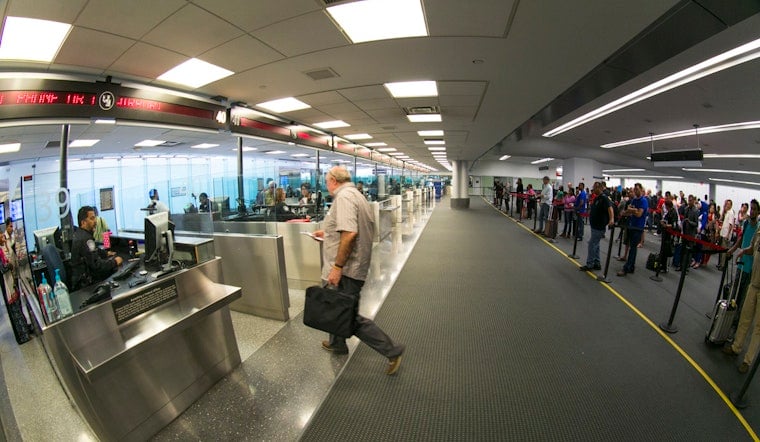
Philadelphia International Airport is becoming a new flashpoint in the city’s immigration fight, with advocates reporting a sharp rise in ICE arrests during routine travel. At least seven people have been arrested there since the second week of July, advocates say, including people who entered the United States on visas and later pursued other immigration status. For Philadelphia families, the airport is now being discussed less as a gateway to summer travel than as a place where a trip can abruptly turn into a detention.
The tally is not a public ICE count, and Philadelphia officials say they do not track federal enforcement activity at the airport. According to WHYY News, Asian Americans United said it knew of six people detained at PHL since July 14, while Philadelphia police said it could not confirm alleged federal arrests or daily ICE staffing levels. DHS told the outlet that the administration had reversed a prior policy and would no longer allow people it describes as being in the country illegally to fly unless they are leaving to self-deport.
The Philadelphia Reports Mirror A National Airport Pattern
The reports from Philadelphia fit a broader pattern. KQED reported that more than a dozen travelers had been detained at Bay Area airports since June 27, prompting immigration lawyers to warn visa holders, asylum seekers and other noncitizens about the risks of flying. The Transportation Security Administration has said information sharing within DHS is routine and legal, while advocates told KQED that the recent frequency suggests a more aggressive level of cooperation.
A South Philly Nanny Was Detained Before Boarding
One case giving the local issue a face is Iliana Noeli Lick, a 30-year-old Argentine citizen who has lived in South Philadelphia since September 2024. As detailed by WHYY’s reporting, Lick was detained at the airport security checkpoint on July 11 while preparing to fly to Kansas City for a FIFA World Cup match, after entering the country on a travel visa and filing paperwork to change her status and obtain a work permit.
Lick was transferred through detention facilities in Pennsylvania, Louisiana and Texas before being sent to the Otero County Processing Center in New Mexico. Her partner, Steven Melchiorre, said she is scheduled for a bond hearing on Tuesday, Aug. 4, while supporters have raised more than $15,000 for her legal fees.
Philly’s New ICE Out Laws Face A Federal Limit
Philadelphia’s local response has been unusually direct. The Philadelphia City Council says its ICE Out package targets city cooperation and data sharing with federal immigration authorities, restricts ICE activity on city-owned property and adds protections related to immigration status. Those measures regulate city government and local partners, but they do not give Philadelphia command over federal officers operating at an airport.
Mayor Cherelle Parker signed six of the seven ICE Out bills on May 7, according to NBC10 Philadelphia. The unsigned measure would have restricted law enforcement agents from concealing their identities with masks or unmarked vehicles, and a federal judge later blocked Philadelphia from enforcing key parts of that measure, Reuters reported.
What Immigrant Advocates Are Telling Travelers
Asian Americans United advises people who encounter ICE or police to remain silent, avoid signing documents or providing information before consulting an attorney, and document what happens when it is safe to do so. The organization also encourages families to keep emergency contacts and immigration paperwork accessible, advice that has taken on new urgency as airport arrests become more visible.
With Lick’s bond hearing set for Tuesday and advocates tracking similar cases across the country, Philadelphia’s airport arrests are likely to remain a live test of the city’s sanctuary policies. The central question is whether local protections can meaningfully shield residents once a federal immigration operation begins on airport grounds.





.jpg)