

























































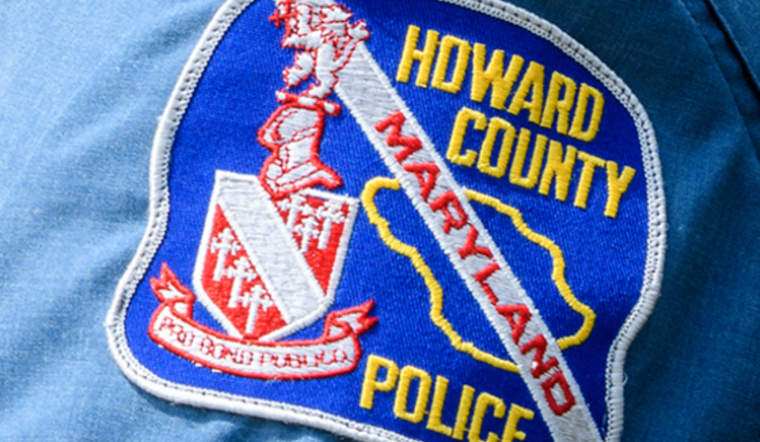
Howard County police are sounding the alarm after a fresh wave of scammers started calling residents and pretending to be local officers, claiming there is an outstanding fine or active warrant and demanding immediate payment. The callers have reportedly used the names of both current and retired Howard County officers and often push targets to pay with gift cards or cryptocurrency. Police said several wary residents have already called 911 to verify the sketchy claims, and a department spokesperson told reporters that, so far, no one in the county has actually lost money in this round of cons.
According to CBS Baltimore, the scam usually opens with a serious-sounding accusation: the person on the line allegedly missed jury duty or owes a fine. From there, things escalate fast, with the fake officer warning that an arrest is imminent unless the victim pays up immediately. In one close call reported to the station, a family was told to buy $600 in gift cards to "bail out" a relative, only to discover after checking that the whole thing was bogus.
How the calls work
Federal consumer officials say law-enforcement impersonation scams are getting more polished. Fraudsters can spoof official-looking caller ID, rattle off personal details and then insist that the target settle things on the spot with gift cards, wire transfers or cryptocurrency. The Federal Trade Commission stresses that real law-enforcement agencies do not demand payment by gift card or insist that you pay over the phone. Instead, the agency urges people to hang up and confirm any legal claims using official contact information. For a deeper rundown on the tactics these callers use, see the FTC consumer alert.
What Howard County is advising
According to the Howard County Police Department, anyone who gets a surprise call about missed jury duty, fines, or warrants should verify the claim by calling the department's non-emergency line at 410-313-2200. Residents are urged not to send money, cryptocurrency or gift cards to unknown callers under any circumstances. The county's Office of Consumer Protection keeps updated scam information and asks residents to report suspicious contacts so investigators can spot patterns and help protect vulnerable neighbors.
That near-miss with the $600 in gift cards underscores how quickly scammers try to pressure people into paying, instead of giving them time to confirm details with relatives or legitimate authorities. Police emphasize that the safest immediate step is to verify any alarming claim through an official phone number, not one that the caller provides.
If you were targeted: Steps to take
If you get one of these calls, hang up immediately and do not dial any number the caller gives you. Instead, contact Howard County police through the official non-emergency number at 410-313-2200 or file an online report. You should also report the incident to the Federal Trade Commission at ReportFraud.ftc.gov and to the FBI's Internet Crime Complaint Center. If you already sent money, reach out to your bank and to the issuer of any gift cards or payment apps right away.
Authorities say government-impersonation schemes are a nationwide problem that both federal and local agencies are tracking closely. Their advice boils down to this: stay alert, not afraid. If a caller tries to create a sense of emergency about money or arrest, pause, verify everything through official channels and report it so local investigators can follow up.



