

























































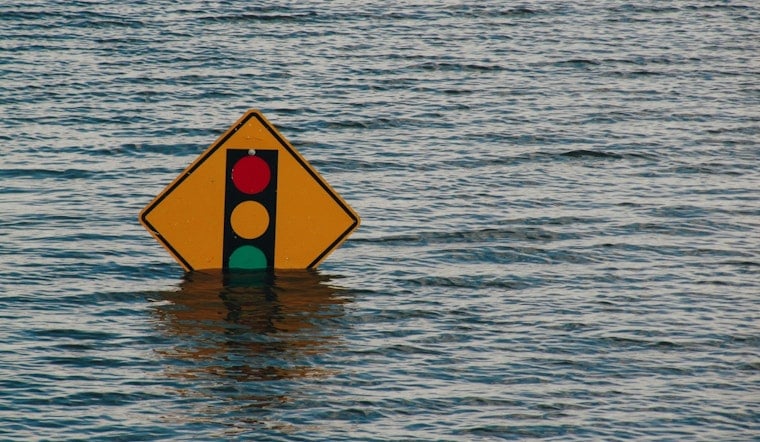
Parts of the Piedmont woke up under a flash flood warning on Thursday as heavy, training thunderstorms turned routine commutes into a wet gamble. Repeated bands of downpours swelled low-lying streets, underpasses and creeks through the midmorning, with radar and spotter reports showing drainage systems already pushed to their limits in some neighborhoods. Officials urged residents and drivers to treat any flooded roadway as dangerous and to stay clear until water levels drop.
As detailed by the Raleigh News & Observer, the alert called out communities including Durham, Chapel Hill, Burlington, Hillsborough, Creedmoor, Pittsboro, Siler City, Carrboro, Mebane, Haw River, Swepsonville, Alamance and Stem, warning that showers and storms were likely to dump an additional 1 to 3 inches of rain. That report drew on National Weather Service guidance and local observations that highlighted pockets of particularly heavy rainfall.
Where the warning applies
According to the National Weather Service, flash flood warnings covered Alamance, Chatham, Durham, Granville and Orange counties and were slated to remain in effect into Thursday morning, with some warnings set to expire near 11 a.m. EDT. NWS text products described training bands of heavy rain repeatedly crossing the same areas and noted that flash flooding of creeks, streets and underpasses was ongoing or expected to begin shortly in many locations.
Rain totals and why roads are dangerous
Radar estimates and automated gauges have already pegged localized totals of 1 to 3 inches across portions of the Triangle, with more downpours possible through the morning hours. The Texas Department of Transportation notes that hydroplaning risk is driven by water depth, vehicle speed and tire tread depth, so even shallow but fast-moving water can make steering and braking unreliable. That combination turns underpasses and low-water crossings into particularly risky spots during repeated heavy showers.
How to stay safe
The National Weather Service's Turn Around, Don't Drown guidance stresses just how powerful moving water can be, explaining that roughly 12 inches of rushing water is enough to carry away most cars. Drivers are urged never to go around barricades or attempt to cross low-water areas. If you come upon a flooded roadway, the advice is simple: turn around, find an alternate route and report hazardous, flooded roads to local authorities.





