

























































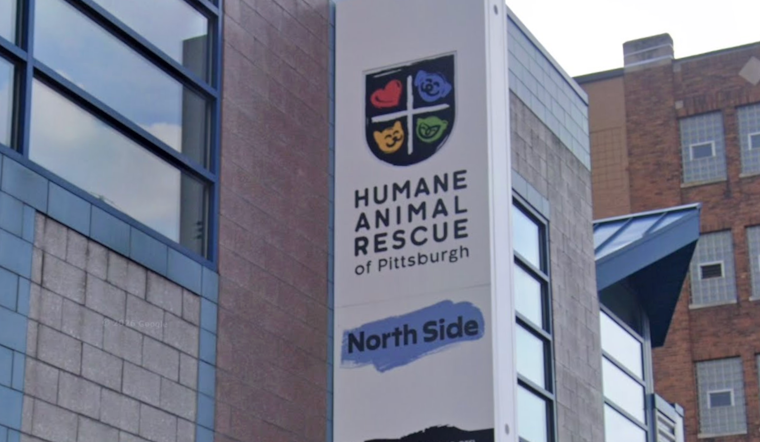
After a years-long push, workers at Humane Animal Rescue of Pittsburgh have officially cleared the final legal hurdle to unionize with the United Steelworkers, sealing a nail-biter of an election that split staff almost straight down the middle.
The National Labor Relations Board's final tally in mid-June recorded 43 votes in favor of the union and 41 against, with 84 ballots counted. The result applies to staff at HARP's North Side and East Side shelters and the Verona Wildlife Center and wraps up a campaign that started in 2023.
According to NLRB records, the agency issued its official tally of ballots on June 18, 2026, and the general counsel certified the United Steelworkers as the employees' bargaining representative later that month. The public file lists 91 eligible voters and shows the voting unit included locations at 1101 Western Avenue, 6926 Hamilton Avenue and 6000 Verona Road. The docket traces multiple filings and rulings back to the original petition filed in July 2023.
Workers' organizing and why they pushed
In July 2023, roughly 100 HARP employees, including veterinary technicians, receptionists, wildlife rehabilitators and educators, filed for a representation election, according to the union. In a press release, the United Steelworkers said staff were organizing for fair pay, stronger job security, and better emotional health supports.
“HARP’s leadership frequently and loudly expresses to its employees how important our work is, yet this apparent appreciation is not adequately reflected in our pay or benefits,” one organizer told the union. For workers who spend their days handling injured wildlife, anxious pet owners and constant euthanasia decisions, they argued that the emotional toll demanded more concrete backing.
Management response and community action
As reported by TribLIVE, workers and supporters rallied at HARP's Homewood site in mid-July with fliers and signs and circulated a petition that organizers say drew more than 400 signatures. They also alleged that management had spent over $500,000 on anti-union lawyers.
HARP management told TribLIVE it was “grateful for the continued dedication of our team and the support of our community” and said it was reviewing “next steps” in conversations with the United Steelworkers. The public petition, demonstrations and management statements reflected months of often tense back-and-forth between staff and leadership.
A long procedural road
The first union election in September 2023 produced a tight result and several challenged ballots, which kicked off a lengthy procedural saga. The dispute moved through requests for review and other filings before the Board issued a decision in June 2026 that left the original outcome standing, according to NLRB records.
The Board denied the employer's request for review, which cleared the way for certification. The stretched-out timeline helps explain why a campaign launched in 2023 only reached a formal conclusion nearly three years later.
What comes next
With certification in place, the United Steelworkers is now the legal bargaining representative for the covered employees, and HARP and the union are expected to start negotiating a first contract. Organizers have said they will push for wage increases, clearer staffing plans and stronger mental-health supports. Management has indicated it will review the outcome and engage on next steps.
First contracts can take months to hammer out, sometimes longer, and the final terms will depend on both sides' proposals and how quickly they can move through the bargaining process.
Legal and practical stakes
Federal labor law requires an employer with a certified union to bargain in good faith, although fights over who is covered, what must be negotiated or how bargaining is conducted can send disputes back to the NLRB. The extensive paper trail in this case, which includes challenged ballots and requests for review, already outlines how some contested issues have been handled.
For now, certification gives workers a formal seat at the table as HARP shifts from organizing drama to contract talks. Organizers and union officials have framed the decision as long-awaited validation of staff concerns, while HARP has continued to emphasize its focus on animal care and on reviewing its options. Community observers say the outcome is likely to be closely watched by other service-sector employees in the region as similar organizing campaigns gain traction.


