

























































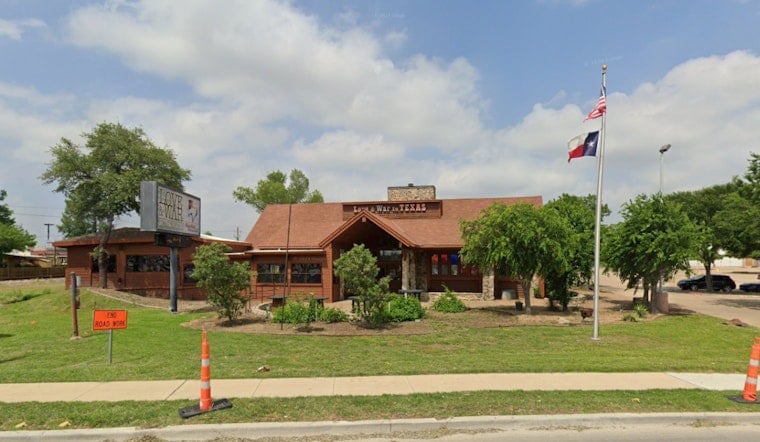
Plano health inspectors recently hit the brakes on one restaurant’s operations and ordered others to trash food after routine checks turned up sewage issues, broken cleaning equipment and a run of time-and-temperature flubs that officials say can pose immediate food safety risks.
According to the Fort Worth Star-Telegram, which pulled data from 79 inspections, Love & War in Texas had its food-establishment permit suspended when inspectors found inadequate sewage disposal along with unsafe food temperatures. The restaurant initially scored a 50, then reopened with a 93 after making fixes. The Star-Telegram’s breakdown shows temperature-control problems across the city: Aaharva Taste The Tradition discarded rice and chicken that inspectors measured between 99°F and 122°F (score 81), Chef Sun’s Noodle & Dumpling tossed broccoli stored at 57°F (86), and Qdoba Mexican Grill pulled items from a front serving cooler that measured 50–51°F (84). Inspectors also reported that Taqueria El Chino discarded a cooked item that had an internal temperature of 48°F while in cold holding (85), Lover’s Eggroll trashed chicken found at roughly 99°F after three hours of cooling (84), and Gazeebo Burger removed diced tomatoes from a salad bar that measured 62°F (88). The reports show a FreshlyGo kiosk inside a Walmart was temporarily closed until its three-compartment sink was repaired, and that a Walmart manager voluntarily discarded about 10 pounds of lunch meat and macaroni salad that had been stored above 41°F.
How inspections can force closures
City rules allow health officials to suspend permits or order immediate closures when inspectors encounter imminent hazards such as sewage backing up or a loss of refrigeration. As outlined by the City of Plano food code, inspectors can require corrective steps and schedule follow-up visits before a permit is restored. Local coverage has also noted shutdowns tied to water problems; Univision Dallas reported several businesses that closed temporarily when water service was interrupted.
What diners should watch for
Time-and-temperature control failures and broken warewashing equipment were the most common immediate hazards flagged in the inspection reports, since both can turn otherwise acceptable food into a potential problem in a matter of hours. For the full list of inspection scores and itemized violations, see the compilation by the Fort Worth Star-Telegram. Diners are encouraged to look for a posted inspection report or valid food-establishment permit when they visit and to notify the city’s environmental health office if they see conditions that appear unsafe.
Follow-up inspections are standard after a closure or a low score, and businesses can usually reopen once inspectors verify that problems have been corrected. The recent findings are a reminder that basic issues like plumbing and refrigeration, not just exotic menu experiments, remain some of the most common and preventable risks in local kitchens.





