

























































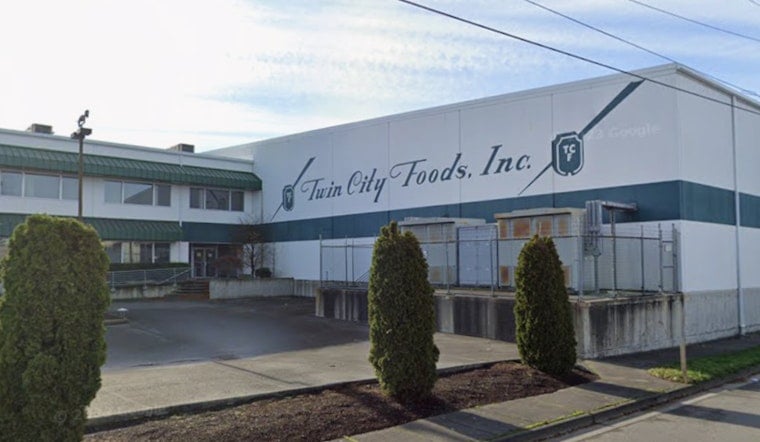
No Meat Factory has abruptly decided to shut down its Stanwood production facility, slamming the brakes on a plant that was only recently retooled to churn out plant-based meat alternatives. The move halts operations at the former Twin City Foods building and leaves many local workers staring down layoffs. For a community that had hoped the project would restore manufacturing jobs, it is a gut punch.
What happened
No Meat Factory is closing the Stanwood plant and cutting roughly 123 positions just two years after reopening the site, according to the Puget Sound Business Journal. The British Columbia-based co-manufacturer had invested in renovating the former Twin City Foods processing plant before restarting U.S. production. Now, local officials and worker advocates are scrambling to gauge what the shutdown will mean for families and the broader Stanwood-area economy.
From investment to closure
When the deal was first announced, state and local leaders treated it as a big win. A Washington State Department of Commerce release in 2023 said No Meat Factory would invest up to $20 million to convert the former Twin City Foods site and could create as many as 150 jobs, backed by a $200,000 grant to Economic Alliance Snohomish County, according to the agency’s release. Officials framed the project as a rare industrial boost for Stanwood and a path to bring manufacturing work back to town. The state announcement also laid out plans for the facility to produce burgers, nuggets, deli alternatives and other convenience products for the U.S. market, according to the Washington State Department of Commerce.
Permits and the plant footprint
Washington State Department of Ecology permit records list the facility at 10120 269th Place NW in Stanwood and include draft wastewater-discharge permit documents and inspection reports filed for No Meat Factory earlier in 2026, indicating the company was still moving through regulatory steps as recently as spring. The building covers nearly 200,000 square feet of processing space that previously housed Twin City Foods, a detail highlighted when the property sold in 2023. Those records are visible in the state’s PARIS database, according to the Washington State Department of Ecology, and the plant transfer and conversion also drew coverage in local media, as reported by HeraldNet.
Local impact and next steps
Economic Alliance Snohomish County helped shepherd the original deal and had promoted the restart as a major jobs win for the county, according to the local economic group’s announcement. No Meat Factory’s website describes the company as a co-manufacturer that produces plant-based proteins for brand owners and foodservice partners, but it has not yet outlined how it will manage the Stanwood closure or what kind of support, if any, it will offer laid-off employees. The same mix of state grants, permit work and industry buzz that brought the plant to Stanwood now leaves county officials and workforce agencies with a fast-moving transition problem to solve, per local releases from Economic Alliance Snohomish County and other regional partners.
The shutdown will test regional job-placement systems and the staying power of mid-scale alternative-protein manufacturing in the Pacific Northwest. The Puget Sound Business Journal reported that the company did not immediately respond to requests for comment; this story will be updated if No Meat Factory or local officials issue public statements.





