

























































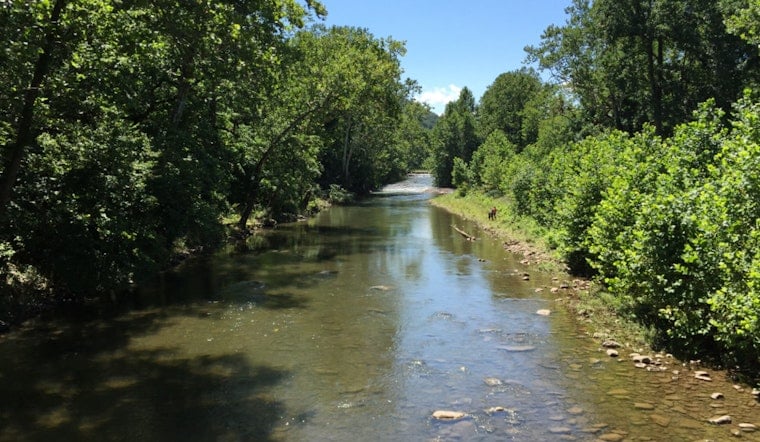
Sections of the Potomac River near Seneca turned into a grim scene this weekend, with stretches of shoreline littered with dead fish after water temperatures spiked to record levels. Field crews measured water as hot as 94°F and reported groups of floating and beached fish tucked into shoreline pockets. Officials are still tallying the full toll, but state investigators say the die-off appears tied to a summer "turnover" event that suddenly drags low-oxygen water to the surface, effectively suffocating fish.
According to DC News Now, the Maryland Department of the Environment said in a social media post that a biologist recorded the roughly 94°F water temperature near Seneca and cautioned that such extreme warmth can trigger turnover events that put aquatic life under intense stress. Officials have not yet released an official fish count and say crews are continuing to monitor water quality and collect samples along the affected stretch.
How Summer Turnover Kills Fish
In summer, a warm surface layer of water can sit on top of a cooler bottom layer. Oxygen in that deeper layer can slowly get used up. When the layers suddenly mix, that oxygen-poor water rushes to the surface and fish can be caught in water that simply does not have enough oxygen for them to breathe. The Maryland Department of the Environment notes that fish kills often stem from natural chemistry swings such as low dissolved oxygen, temperature extremes, or a mix of biological and chemical stressors, and that investigators collect samples to pinpoint the exact cause in each case. The Maryland Department of the Environment urges anyone who spots accumulations of dead fish to report them so biologists can get on scene quickly.
Heat Wave Set the Stage
The Potomac die-off unfolded during a punishing heat wave that broke daily temperature records across the D.C. region and prompted extreme heat warnings from the National Weather Service. Prolonged triple-digit highs, including a new record at Reagan National Airport, can leave shallow river sections especially prone to rapid warming and drops in dissolved oxygen, conditions that make turnover events more likely and more deadly. WTOP reported officials urging residents to take heat precautions as crews kept a close eye on local waterways.
What Officials Want the Public to Do
The Maryland Department of the Environment says anyone who encounters an accumulation of dead or distressed fish should contact the agency’s Fish Kill Investigation Section or call the MEMA hotline so biologists can investigate. Phone numbers and instructions are posted on the agency’s website (Maryland Department of the Environment). Until testing is complete and any advisories are lifted, officials recommend steering clear of harvesting or eating fish from affected portions of the river.
Why This Matters
Mass fish kills are a blunt but unmistakable sign that the Potomac is under serious stress, highlighting how extreme heat, existing pollution and long-running environmental problems can collide to hit local ecosystems, fisheries and people who rely on the river for recreation. Advocacy groups such as the Potomac Riverkeeper Network have for years pushed for tighter monitoring and stronger pollution controls to make the river less vulnerable to events like this. Officials say they will release updates and lab findings as they determine whether any additional factors contributed to the weekend die-off.





