

























































Marlene Bajak, now 88, is asking a San Diego jury this week to decide whether the company behind a Poway Verizon shop should pay for the injuries she says she suffered when an employee hit her outside the store last summer. The encounter, caught on the store’s surveillance cameras and already used in a criminal case, sent Bajak to the hospital and led to a civil lawsuit claiming assault, elder abuse and more. When the jury trial opens Tuesday in downtown San Diego, jurors will be asked a blunt question: is the retailer, and not just the worker, on the hook.
Surveillance, plea and trial
At the center of the case is a short but graphic surveillance clip that prosecutors leaned on in the criminal proceedings and that a judge has described as pretty dramatic and a pretty graphic video. The employee identified in court papers, Joshua Scott Miller, resolved his criminal charges on Dec. 4, 2025, by pleading guilty to felony elder abuse and admitting a great-bodily-injury allegation. That deal closed the book on his criminal exposure but left Bajak’s civil claims very much alive. As reported by SanDiegoVille, jurors will see the video for themselves and hear witness testimony when the trial kicks off Tuesday afternoon.
What the law says about elder abuse
Under California law, felony elder abuse applies when someone willfully causes or allows an elder to suffer serious physical injury under circumstances likely to produce great bodily harm. A conviction that includes a great-bodily-injury allegation can bring additional sentencing time. A criminal guilty plea settles the defendant’s responsibility in the criminal court, but it does not automatically decide civil liability or the amount of damages in a related lawsuit. For the statutory language and possible enhancements.
The civil complaint and company denials
Bajak filed a verified complaint in July 2025 naming the Poway Victra operator and several related corporate entities, asserting claims for assault, battery, elder abuse, negligence and intentional infliction of emotional distress. The lawsuit says Bajak was struck near the store entrance on June 12, 2025, lost consciousness and was treated at Palomar Medical Center for what the complaint describes as a fractured shoulder, a broken tooth and a cranial hematoma. In response, the retailer filed a general denial, raised multiple affirmative defenses and pushed back on the idea that it is vicariously responsible for the employee’s conduct, as detailed by SanDiegoVille.
Employer exposure and the arbitration fight
Bajak’s attorneys argue the company can be held directly liable if jurors decide there were problems in hiring, supervising or retaining the employee that made the confrontation foreseeable. The defense is expected to counter that the strike was an independent, unauthorized act outside the scope of his job. California courts allow negligent-hiring and negligent-retention theories to sit alongside respondeat superior claims in the right circumstances, and recent appellate decisions spell out how judges weigh what an employer knew and how foreseeable the harm was. The defendants also tried to steer the dispute into private arbitration based on an alleged Verizon agreement. Under California procedure, a court will order arbitration only if it finds a valid agreement that actually covers the controversy. For background on the negligent-hiring doctrine and the arbitration standard, see recent California case law.
What to watch when the jury starts
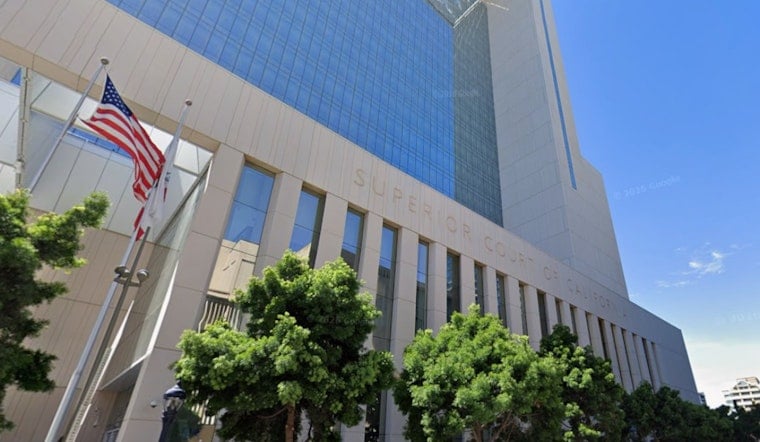
Expect the surveillance footage to be the emotional center of the trial, with lawyers on both sides replaying it as they argue over what it shows and what it means. Jurors can also expect a close look at personnel files, internal emails and any steps managers took after the incident. The confrontation took place at the Victra Verizon Authorized Retailer at 13455 Poway Road, the store address listed in the court filings, and the civil trial is set for the Central Courthouse downtown. The retailer’s Poway listing confirms the shop’s address and hours, and San Diego Superior Court uses the Central Courthouse as its downtown venue for civil jury trials.
While Miller’s guilty plea wrapped up the criminal side of the saga, the civil jury will now decide whether anyone besides the employee must answer — financially or otherwise — for Bajak’s injuries and their lasting impact. Whatever the verdict, it could influence how large retail chains oversee front-line workers and how quickly they respond after violent incidents involving customers.




