

























































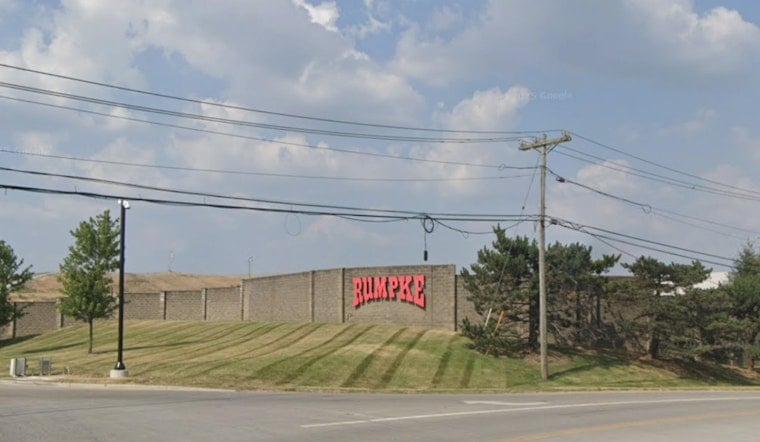
In the early-morning quiet of Colerain Township, the loudest wake-up call may be coming from Rumpke’s landfill. Neighbors say regular “shots” - controlled blasts used to break up bedrock for an expansion project - can rattle windows, shake rooms, and kick dust into yards. Journalists who visited the site in June reported seeing dirt and debris thrown into the air during one of those blasts, and while Rumpke insists the work is carefully engineered and monitored, the gap between what neighbors feel and what the company’s data shows is drawing fresh scrutiny.
As detailed by The Cincinnati Enquirer, reporters who went to the landfill in June watched at least one shot send a plume of earth into the air and noted that the explosion did not produce ground sensation for observers standing about 630 yards away. Local reporting from WCPO has followed Rumpke’s long-running push to expand its permitted disposal area from roughly 330 acres to about 570 acres, a fight that dates back to the mid-2000s.
What neighbors say
Residents along Hughes Road and in nearby stretches told reporters they can sometimes hear and feel the blasts inside their homes, including people living about a mile from the area where shots are set off. "It rattles the windows," one Facebook post quoted in The Cincinnati Enquirer said, while another described how it "shakes the house." Homeowners told the paper they have noticed cracks but repeatedly stressed they do not have definitive proof that the damage came from the detonations, leaving them stuck between uneasy suspicions and a lack of hard evidence.
Rumpke's defense and data
Rumpke maintains that the shots are carefully engineered and are necessary to fracture bedrock ahead of the planned expansion. Company spokeswoman Molly Yeager has emphasized that the landfill is running short on space and, as WCPO reports, has argued that the larger footprint would keep disposal capacity available for decades. The company told reporters it tracks vibration levels and shares technical data with regulators. Those figures are now at the heart of conversations between officials and homeowners who are trying to reconcile seismograph readings with what they feel in their living rooms.
Regulatory and scientific backdrop
The U.S. EPA and local agencies have a long record of intervening at the Colerain site after earlier subsurface reactions and temperature spikes, including a coordinated response in 2009 that led to more extensive monitoring and engineering changes, according to the agency’s site profile. Federal and county documents describe steps such as installing liners and an odor control blanket to help manage gas and surface emissions, and agencies continue to oversee air, gas and other monitoring around the landfill. That history helps explain why neighbors and local officials are now pushing for clear vibration and structural data as the expansion advances, arguing that public trust depends on transparent measurements and visible enforcement.
Legal history and what comes next
The expansion fight has been playing out for years. Court records show Rumpke has pursued rezoning and challenged decisions since 2006, with the basic question of how far and where the landfill can grow moving through both local and state proceedings. That long legal trail suggests that today’s disputes over monitoring, permits and possible property impacts are likely to keep surfacing in public hearings, regulatory reviews and, potentially, more courtroom arguments. For now, residents are left to weigh official seismograph readings, company assurances and their own kitchen-table observations every time the early-morning shots go off.





