

























































Oregon City - A 63-year-old Oregon City man accused of orchestrating a regional network of massage parlors that prosecutors say doubled as fronts for commercial sex is now facing Clackamas County charges and a looming trial. Johnson Tang has pleaded not guilty to multiple counts tied to one Oregon City spa, even as investigators say his reach extended across a string of storefronts in Oregon and Washington. Court records describe an operation that cycled workers through locations, moved victims between businesses and, according to prosecutors, shut down shops almost immediately after law enforcement showed up.
Prosecutors say surveillance traced a regional operator
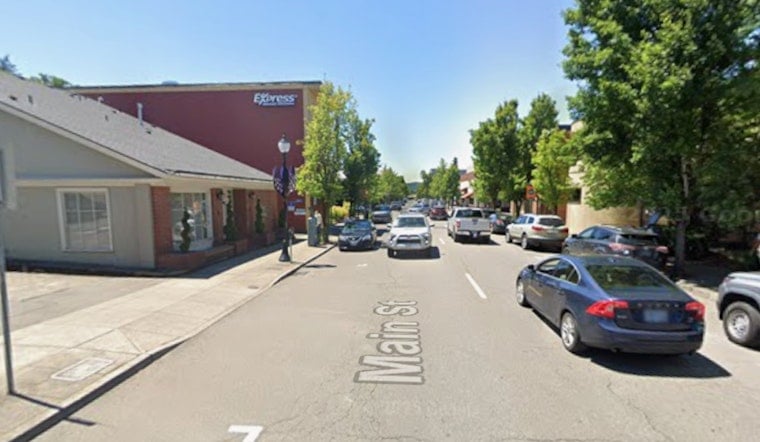
Clackamas County prosecutors have charged Tang with four counts of promoting prostitution connected to Relax Med Spa at 900 Main Street in Oregon City. In court filings, they describe him as a central figure managing at least 14 illicit massage businesses. Records show the Relax Med Spa investigation started in 2021 and intensified after a January 2023 sting. Detectives reported finding a 12-year-old boy sleeping inside a car in the spa parking lot on New Year’s Eve 2022. Investigators say Ring camera footage, phone records and cell-tower data helped map Tang’s movements, and federal Homeland Security investigators had already been watching him since 2022, according to FOX 12.
Two linked cases, multiple defendants
A separate Clackamas County grand jury indictment filed in February 2024 charged eight defendants with more than 60 counts tied to Flora Spa in Lake Oswego and Yoyo Spa in West Linn. The City of Lake Oswego reports that detectives identified at least 10 women believed to be victims after serving search warrants at 15630 Boones Ferry Road, and multiple arrests followed as investigators chased leads across several jurisdictions. That investigation and its regional ties were laid out in earlier local coverage, including a Hoodline report on the sex trafficking nexus.
How prosecutors say the operation worked
Deputy district attorneys and detectives describe what they say was a calculated pattern of isolation and rotation. Workers were allegedly shifted between spas roughly every 30 days to keep victims cut off from outside support and to present a steady flow of new faces to buyers. Surveillance and court affidavits, prosecutors say, showed some workers living in the businesses and seeing multiple customers a day. Because victims rarely come forward in cases like this, prosecutors told reporters they leaned heavily on long-term surveillance, business and financial records and other electronic data to assemble their cases.
A wider push to shut down storefronts
State and local agencies have ramped up coordinated efforts this summer aimed at the networks behind storefront operations like these. The Oregon Department of Justice says its SPIRE task force and partner agencies executed search warrants in Washington County on July 9, seizing more than $45,000 in cash and making arrests as part of a broader strategy to target organized activity while also supporting victims. Officials describe the approach as focusing on the networks instead of only individual locations and pairing enforcement work with victim services, according to the Oregon DOJ.
What happens next
Prosecutors say both Clackamas County cases are set for trial in January 2027, and all defendants have entered not guilty pleas, as reported by FOX 12. Deputy District Attorneys Rachel Erickson and Aisha Amiri are prosecuting the matters. They say convictions could help break apart a local network they describe as exploitative and operating in plain view of surrounding communities.
Legal implications
Charges in the two Clackamas County cases include promoting prostitution and, in the Flora and Yoyo indictment, counts of compelling prostitution, an allegation that carries the potential for felony exposure for the accused. Prosecutors note that to prove those crimes, they must show defendants knowingly facilitated or compelled commercial sex, which is why much of the case relies on surveillance, business documents and other electronic evidence rather than victim testimony. Authorities are asking anyone with relevant information to contact local law enforcement.




