

























































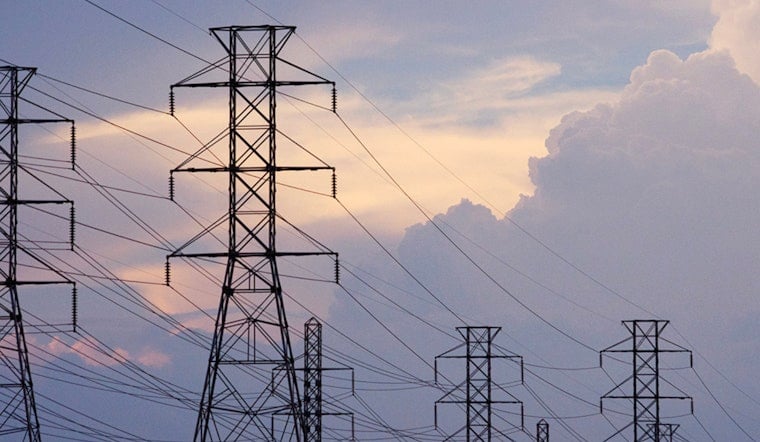
As temperatures surged and air conditioners roared across New York City on Wednesday, the Champlain Hudson Power Express, a 1,250-megawatt transmission line that funnels hydroelectric power from Quebec into the city, suddenly went offline. The outage yanked a major new source of electricity at the worst possible moment, forcing grid operators and city officials to hustle to keep the system balanced while warning New Yorkers to conserve.
Link on the big CHPE outage: https://t.co/mO9BwQSXQx
— Mark D. Levine (@marklevinenyc) Jul 2, 2026
Converter Station Problem Knocks New Line Offline
Hydro-Québec traced the problem to its Hertel converter station and said crews were on site working to restore service, with an initial estimate that the line could be back by Wednesday evening, according to the Times Union. The outlet reported that the line, which had been running steadily on Tuesday, tripped at about 5:30 a.m. Wednesday. Officials stressed that the situation was evolving and promised more updates as repair work progressed.
What CHPE Brings To NYC, And Why Its Loss Stings
The Champlain Hudson Power Express can deliver roughly 1,250 megawatts of power, about 20 percent of New York City’s peak demand, and only recently finished its testing to enter commercial service, according to NYSERDA. Industry reports noted that the line reached commercial operation earlier this summer and became available for scheduling on wholesale markets, which regulators expected would help strengthen summer supply margins, according to S&P Global.
That new transfer capability is supposed to cut the city’s dependence on aging local power plants. Instead, this outage turned into an early stress test of that promise and a reminder that even big new transmission projects are not immune to single points of failure.
City Races To Cut Demand As Grid Tightens
City leaders and the grid operator moved quickly to soften the blow. The Mayor’s office expanded its heat-emergency response and urged residents and businesses to set thermostats to 78 degrees and delay nonessential appliance use, according to the Mayor's Office. On X, Comptroller Mark D. Levine highlighted coverage of the failure and noted that the city was pulling more than 10 gigawatts from the grid during the heat event.
The New York Independent System Operator asked some large customers to reduce usage on Wednesday evening to ease pressure, according to reporting. Officials kept contingency plans at the ready in case the outage dragged into the night, while residents were urged to do their part by cutting back on power where possible.
Grid Experts Warn Of Thin Margins
Energy specialists say the episode underscores how tight the grid is running this summer as older plants go offline for maintenance or retirement. State filings and long-term planning documents have repeatedly warned that New York needs additional dispatchable resources to cover peak demand and that transmission projects like CHPE are central to easing that strain, according to New York Department of Public Service.
The sudden loss of a major cross-border power link in the middle of a brutal heat spell is exactly the kind of scenario planners worry about, highlighting the need for redundancy and tighter operational coordination with neighboring systems.
Officials said repair crews were continuing their work and that more information on timelines would follow. In the meantime, the city kept cooling centers open and repeated the usual summer warnings about staying safe in extreme heat. For a newly active clean-energy lifeline that was supposed to bolster reliability, this outage arrives as an early, and very public, trial run.





.jpg)