

























































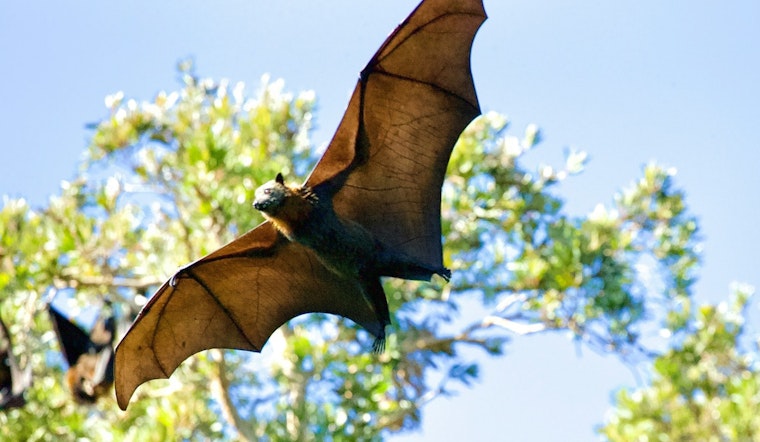
A rabid bat turned up near a playground at Renton’s Gene Coulon Park, adding an unsettling health warning to one of the region’s busiest summer waterfront spots. Officials say no direct human contact with the bat is currently known, but anyone who may have touched it should seek medical advice immediately.
The bat was found Tuesday on a sidewalk at the south end of the park, near the playground, south shelter and restrooms, according to Public Health – Seattle & King County. Animal control euthanized the bat that day, and testing returned positive for rabies Wednesday.
KOMO News reported that health officials are concerned about anyone who had physical contact with the animal, even if there was no obvious bite. That includes touching the bat, being scratched or allowing bare skin to contact the bat or its saliva.
What Renton Visitors Should Do
Anyone who may have touched the bat should call Public Health at 206-296-4774 or seek medical evaluation immediately. Rabies is almost always fatal after symptoms begin, but preventive treatment can stop the infection when it is given beforehand.
Visitors who spot a bat outside should not touch it, officials said. A bat that appears sick can be reported to animal control at 206-296-7387, while anyone whose pet may have contacted the animal should call a veterinarian right away.
The warning arrives less than two weeks after another rabid bat was found near the University of Washington, according to Public Health Insider. That bat was discovered July 15 and tested positive two days later, though officials said no human exposure was known in that case either.
For families heading to Coulon Park, the practical message is straightforward: keep kids and pets away from any bat on the ground, and report possible contact quickly. A bat flying overhead is not the same as physical exposure, but a grounded, sick-looking animal is a job for animal control—not an impromptu wildlife rescue.




