

























































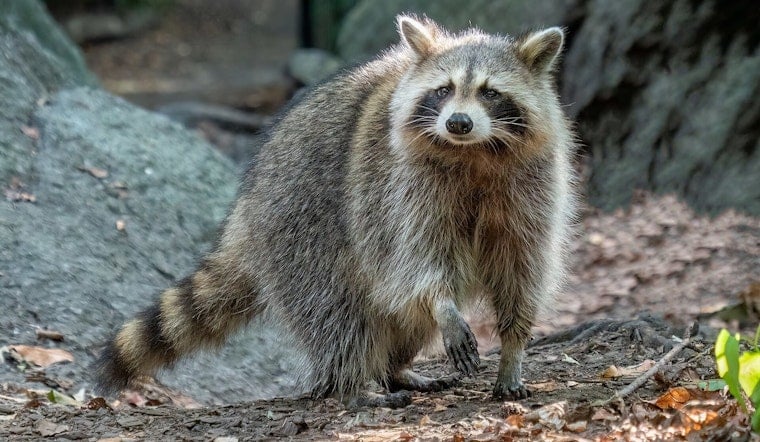
Gwinnett County officials are sounding the alarm after a raccoon involved in a recent dog attack tested positive for rabies in the Snellville area. The encounter happened July 8 near Tree View Drive and involved multiple dogs, and veterinarians are now assessing three of those pets for possible exposure. County and public health authorities are urging residents to keep animal vaccinations current and to steer clear of wildlife that appears sick or behaves oddly.
According to CBS News Atlanta, the raccoon was tested after the July 8 incident and came back positive for rabies, triggering post-exposure procedures for the dogs involved. Local health officials are also reviewing whether any people might have been exposed during or after the run-in.
Rabies Notices Piling Up In Gwinnett
The latest case is part of a broader pattern countywide. Gwinnett leaders have issued several rabies advisories this spring, including a June notice about a raccoon in the Bethlehem area that tested positive, as detailed in a county news release. Staff with Gwinnett Animal Welfare & Enforcement and GNR Public Health say residents should report animals that are unusually aggressive or oddly friendly, or that are active during daylight hours when they typically would not be.
The county provides instructions and contact information for reporting suspicious wildlife and handling bite situations, and officials stress that quick reporting can help protect both pets and people.
What Rabies Rules Mean For Your Pets
How an exposed pet is managed largely comes down to vaccination status. National guidance from the National Association of State Public Health Veterinarians states that dogs and cats that are current on their rabies shots typically receive a booster dose and are observed for 45 days. Pets that are not vaccinated at the time of exposure may face a strict four-month quarantine or, in some cases, euthanasia.
The Centers for Disease Control and Prevention advises that anyone bitten or scratched by a wild or stray animal should seek medical care right away so a provider can determine whether rabies post-exposure prophylaxis is needed.
Who To Call And What To Do Next
Anyone who has been bitten or scratched in a possible rabies exposure should contact GNR Public Health at (770) 339-4260 and ask for the on-call epidemiologist. Residents who see wildlife or other animals acting strangely are urged to contact Gwinnett Animal Welfare & Enforcement at (770) 339-3200 ext. 5576.
Officials recommend checking with your veterinarian to confirm rabies vaccine records, keeping children and pets away from wildlife, and avoiding contact with any animal that seems unusually tame or aggressive. With rabies cases still cropping up around metro Atlanta, public health experts say this is a good time to make sure outdoor trash and pet food are secured so raccoons are not drawn into yards.
Standard first aid is still key. If a bite occurs, wash the wound thoroughly with soap and water, then get in touch with medical and public health professionals as soon as possible to reduce the risk of human rabies.





.jpg)