

























































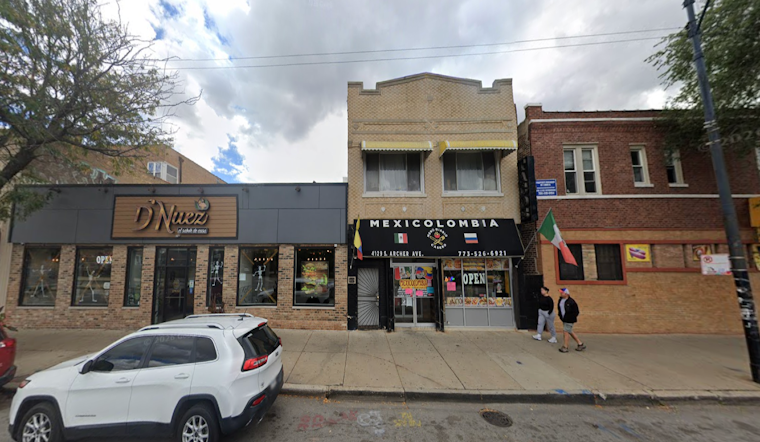
Neighborhood storefronts that say federal immigration enforcement scared off their customers are about to get a modest but badly needed boost. The Illinois Hispanic Chamber of Commerce Foundation is rolling out 52 grants of $5,000 each for small Chicago-area businesses that can show they were hurt by recent federal actions.
Applications open Aug. 24 and close Sept. 14, with winners set to be announced Oct. 1. Money will not all land at once. Grants will be paid out in three phases that run through June 30, 2027.
The first round targets businesses in Pilsen, Brighton Park, McKinley Park, Archer Heights, Back of the Yards, Little Village, Chicago Lawn, West Lawn, Berwyn and Cicero. To qualify, a business must have operated for at least two years, employ 10 or fewer people and hold a valid business license.
How the grants will work
As reported by the Chicago Sun-Times, the awards are funded by the Searle Funds at The Chicago Community Trust and are designed to help cover everyday bills that do not stop just because customers vanish. That includes rent, payroll, inventory and utilities.
The foundation is planning more than just checks. According to the Sun-Times, the IHCC Foundation will also organize “shop local” events and run digital marketing campaigns to try to pull customers back to corridors that saw foot traffic plunge after the enforcement campaign. The Sun-Times report links to the chamber’s Resilient Communities Initiative, where applicants can find detailed rules and submission links.
Who is eligible
The IHCC microgrant page spells out the criteria and step-by-step instructions. Applicants are asked to submit a short written statement explaining how immigration enforcement actions affected their business, and they are encouraged to include documents that back up the story.
The chamber notes that it already ran an initial round of this program earlier in the year and expects to reopen applications as more funding comes in. Spanish-language forms are available, and businesses that cannot easily apply online can submit applications on paper or by email.
Neighborhoods still feeling the impact
Local reporting and residents say the enforcement push that began in 2025 did more than generate headlines. Many shoppers and day laborers pulled back from neighborhood commercial strips, according to those accounts, leaving some shops with sharply reduced sales and emptier sidewalks.
Coverage by CBS Chicago and neighborhood outlets documented tense encounters between federal agents and community members, including a Border Patrol shooting in Brighton Park that drew protests and scrutiny from state officials. Community groups have tried to plug the gap with assistance drives, legal aid clinics and “shop local” pushes while investigations into the enforcement campaign continue.
How to apply
Businesses that meet the basic rules are being urged to gather whatever proof they have of harm before the application window opens. That can include records of lost sales, canceled events or other concrete signs that enforcement activity cut into revenue.
Applicants must also submit a concise written statement spelling out how the enforcement affected their customers, hours or payroll. The chamber says it will accept applications from Aug. 24 through Sept. 14 and will notify grant recipients on Oct. 1. Full instructions and downloadable forms are available on the IHCC microgrant page, and the foundation says staff can provide technical help in both English and Spanish.
What officials say
“These grants will help local businesses stabilize, recover and continue serving as the economic backbone of their neighborhoods,” Jaime di Paulo, CEO of the Illinois Hispanic Chamber of Commerce, said in a news release cited by the Chicago Sun-Times.
The foundation says it will select recipients based on documented losses that are specifically tied to immigration enforcement and on the short written statement each business submits with its application.
State scrutiny and the bigger picture
The enforcement campaign that kicked off in 2025 has already prompted hearings and reviews by state panels and has drawn steady criticism from local officials and advocates, who argue that the operations carry serious economic and public safety costs for neighborhoods.
Those reviews and legal challenges are still playing out, and reporting so far suggests the shock to local business corridors has not fully faded. For now, the chamber’s grants are one of the few tools on the table for shop owners trying to hang on until the policy battles run their course.





