

























































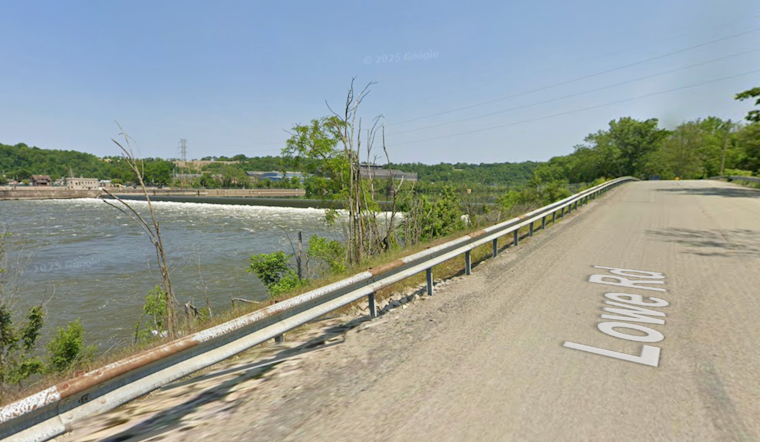
The kind of rainbow nobody wants to see on the Allegheny River showed up Saturday evening in Lower Burrell, when a caller spotted a slick, oil-like sheen near the Braeburn Alloy Steel plant and dialed for help. Within short order, Westmoreland County hazmat crews were on the riverbank, rolling out gear and trying to figure out exactly what was in the water and where it was coming from.
Responders placed an absorbent boom around a drainage pipe at the shoreline while they worked to confirm the source of the sheen. Officials also alerted downstream water intakes as a precaution while the visible oil was corralled and its spread limited.
What responders found
According to WTAE, a caller reported the rainbow-colored sheen near the steel plant, prompting the county hazmat deployment. Crews ringed a drainage outfall with absorbent boom and said they believed the leak to be originating from a drainage pipe right next to the plant. Teams used absorbent materials to keep the slick from traveling farther downriver, while downstream water intakes stayed on alert.
Plant history and permits
This is not the first environmental headache tied to the Braeburn Alloy Steel site. A hydraulic fluid leak in 2025 was documented as reaching the Allegheny River, and earlier news coverage has detailed a deadly explosion at the facility. State environmental records list the plant and its permitted discharges to the river, as outlined in a DEP fact sheet.
Why even a thin sheen matters
Even when it looks like just a faint, rainbow-slicked patch on the surface, oil on the water can be trouble. Response experts with NOAA explain that a thin sheen can still coat feathers and fur and release toxic components that harm birds, mammals, and sensitive fish or shellfish. Standard playbook in these situations calls for floating booms, skimmers, and absorbent pads to hem the oil in while agencies gauge the environmental fallout.
Who coordinates the cleanup
On scenes like this, the county hazardous-materials team runs point on containment and works with local fire departments and emergency management, according to the county’s hazmat information. Depending on what spilled and how much of it ended up in the river, state environmental regulators and federal partners can step in as well. The plant’s permit details and inspection history are likely to figure into any official review. For more on how the team operates, see the county hazmat page at Westmoreland County HAZMAT.
Action News 4 reports that it will continue to follow the incident as more details surface. Local officials have not yet released final estimates of how much material entered the river or what damage it may have caused. We will update this story as state or county agencies publish their findings.





