

























































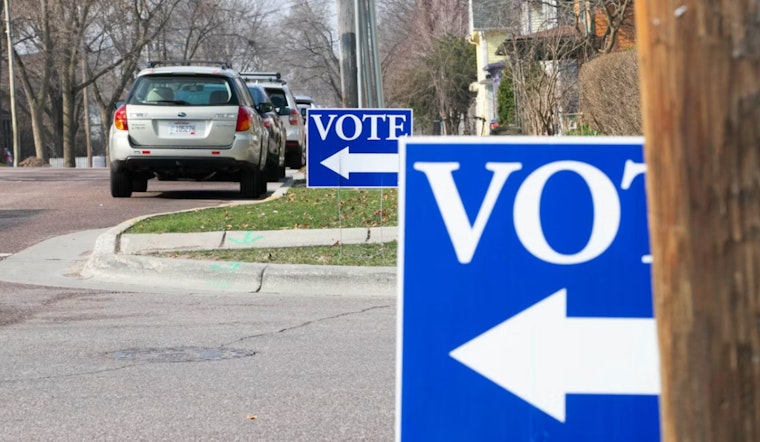
Kannapolis voters just got an unsolicited calendar update from Raleigh. A new state law will wipe the City of Kannapolis’s scheduled 2027 municipal election off the books, stretch current officials’ terms by an extra year, and convert the city’s mayor and council races into partisan contests held in even-numbered years starting in 2028. The move plugs Kannapolis into a broader legislative push that shifts smaller cities from odd-year, nonpartisan ballots to party-branded races that ride the statewide election cycle. It also rewires when candidates file, how primaries are run, and the overall tenor of local campaigns.
What the law does
The new session law lays out that “regular municipal elections shall be held at the time of the general election in each even-numbered year” and that the mayor and city council “shall be elected on a partisan basis.” According to the North Carolina General Assembly, there will be no municipal elections in Kannapolis in 2027. Instead, the law tacks one extra year onto terms that were supposed to end in 2027 and 2029 so that staggered seats line back up when voting restarts under the new schedule in 2028.
Local leaders react
Backers of the change are pitching it as a cost saver and a clarity boost for voters. Cabarrus County GOP chair Jim Quick told The Charlotte Observer that shifting Kannapolis elections to even-numbered years will save the city about $37,000, and supporters argue that party labels simply give residents more information about where candidates stand.
Critics see a very different bottom line. Cabarrus County Democratic Party chair Rosa Culver-Sims told The Charlotte Observer that forcing candidates to run with party labels could make it tougher for unaffiliated hopefuls to get traction. UNC Charlotte political scientist Eric Heberlig added that the dominant party believes clearer party IDs could help it capture more local offices, turning what used to be low-key city races into another front in the broader partisan contest.
Part of a broader shift
Kannapolis is not alone in feeling the state’s hand on local election rules. Across North Carolina, lawmakers have been reshaping how municipalities and school boards run their races. Cabarrus County’s school board, for example, was switched to partisan elections ahead of the 2024 cycle, a move that local officials and observers flagged as one more sign of a growing trend. WFAE covered the county’s first partisan school-board election and the community debate that followed over whether party branding helps or harms down-ballot governance.
What’s next for Kannapolis
On the ground, the immediate effect is straightforward. Kannapolis officials who would have faced voters in 2027 will now stay in office an additional year, and the city will fold its races into the partisan primaries and general election on the 2028 statewide calendar. That timing shift could raise the bar for unaffiliated candidates and pull local campaigns more firmly into the orbit of statewide political messaging and turnout efforts.
Residents, would-be candidates, and local party organizations will be tracking the revamped filing timeline and gearing up for the first round of partisan primaries under the new system next year, as Kannapolis adjusts to its new place on North Carolina’s political map.





