

























































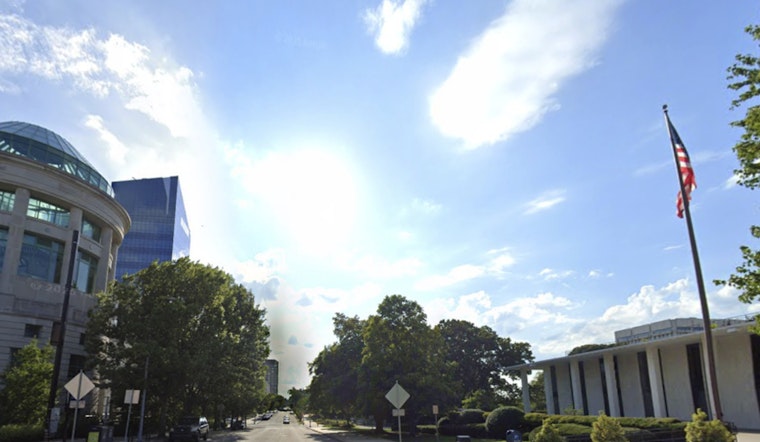
Raleigh woke up to mostly clear, muggy air on Wednesday morning, July 1, 2026, and that sticky start is just the warmup. Highs are expected to reach about 95°F, with heat index values making it feel close to 100°F. The heat is set to crank up through the Independence Day holiday, pushing the Triangle into upper 90s to low 100s. Officials are urging residents to take extra precautions during afternoon hours, when the brutal mix of heat and humidity will be at its worst.
Afternoon And Holiday Outlook
Temperatures will climb quickly. Forecasters expect mid 90s on Wednesday, July 1, 2026, then upper 90s to low triple digits from Thursday, July 2, 2026, through Sunday, July 5, 2026, with heat index values often topping 100 to 105°F. Friday, July 3, 2026, and Saturday, July 4, 2026, look like the peak of the heat, with several Triangle spots forecast near 100 to 102°F and even higher feels in urban areas. Brief afternoon showers and thunderstorms are possible Sunday, July 5, 2026, and become more likely on Monday, July 6, 2026, which could offer isolated relief, according to the National Weather Service.
Local Impacts And City Response
The City of Raleigh has a Heat Advisory in effect from July 1 through July 6, 2026, warning that hot, humid conditions may cause heat illness and disrupt some services. Wake County will open cooling stations when heat index values pass the 100°F mark, and the city has cautioned that refuse and yard-waste pickups could be delayed to protect workers. Residents can view the list of cooling centers and official guidance on the City of Raleigh.
How To Stay Safe
To stay safe in the heat, avoid strenuous outdoor activity during the hottest part of the day, roughly noon to 6 p.m., and drink plenty of water. Check on neighbors, young children and pets. If you work outside, take frequent breaks in shade or air-conditioned spaces and watch for signs of heat exhaustion such as dizziness, nausea or heavy sweating. If you do not have air conditioning, plan to use a public cooling center once thresholds are reached. For holiday events and fireworks, keep water handy and limit direct sun exposure as much as possible.




