

























































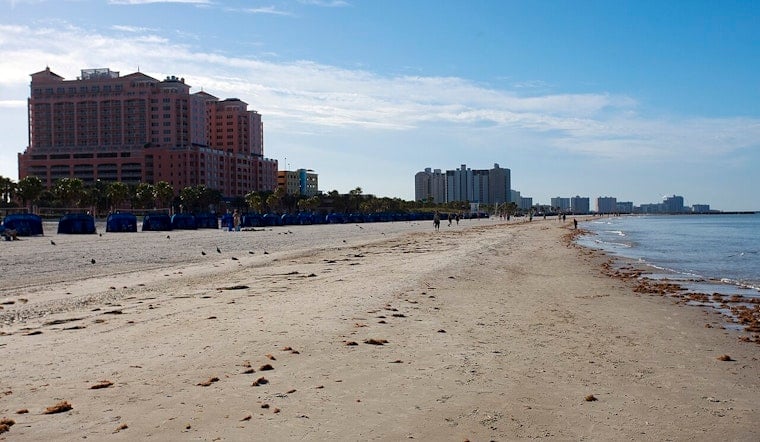
Clearwater Beach has been living up to its reputation for drama, with lifeguards yanking more than a dozen swimmers out of rough Gulf waters over the past several days. Red flags have gone up along the sand, and local officials are again warning visitors to treat the surf with respect as gusty south winds and a building swell turn a beach day into something closer to a contact sport.
Clearwater Fire & Rescue lifeguards reported pulling more than a dozen swimmers from the water during the recent rough spell, with crews responding to eight rescue calls on Monday and bringing five more people to safety Tuesday morning, according to Tampa Free Press. Red warning flags went up across much of the shoreline to signal high-hazard conditions. While some stretches of beach stayed open, officials urged people to stay out of the water whenever those red flags are snapping in the wind.
What the flags mean
The colored-flag system is the Gulf’s traffic light. A single red flag signals a high hazard, with strong surf and dangerous currents, while a double red flag means the water is closed to the public, according to Florida Healthy Beaches. Lifeguards and posted signs back up the flag warnings, and officials note that staying inside a guarded area cuts the risk significantly. Even confident swimmers, they caution, can find themselves swept offshore by a rip current in seconds.
Weather driving rough surf
The choppy scene is being driven by persistent tropical moisture and a broad area of low pressure parked over the eastern Gulf, which have been feeding sustained south winds and elevated surf along the Pinellas coastline, according to the National Weather Service Tampa Bay Ruskin. The agency has issued a High Rip Current Risk for Pinellas County, along with Small Craft Advisories for nearby coastal waters, turning things dicey for swimmers and small boats alike.
Part of a troubling pattern
This latest round of rescues is not a one-off. Earlier this month, Clearwater lifeguards reported pulling 35 people from the water over roughly three weeks, highlighting a pattern of elevated incidents at the popular Gulf beach, as reported by the Tampa Bay Times. Lifeguard teams across the area have been hammering the same message: stay in guarded zones, watch the flags and keep an eye on the forecast before heading into the surf.
How to stay safe
Beach safety pros say the basics go a long way. Stick near a staffed lifeguard tower, follow the posted flags and signs, and skip solo swims. If a rip current grabs you, the National Weather Service advises staying calm, floating to conserve energy, then swimming parallel to the shoreline until you are out of the current or signaling for help if you cannot break free. Bringing a flotation device and keeping children within arm’s reach are simple moves that can keep a close call from turning into a full rescue.
Officials' reminder
Division Chief Benjamin McBride reminded visitors that anyone heading into the surf should "always swim near a station lifeguard, pay close attention to the warning flags posted at each tower, and obey all posted signage," in a statement to Tampa Free Press. The department said its lifeguards will keep a close watch on the changing surf and adjust flags as conditions shift.
Where to check conditions
Anyone planning a beach day can check current flag status, small-craft advisories and water quality updates on the Florida Healthy Beaches page and the City of Clearwater Fire & Rescue site. Lifeguards are updating tower flags in real time, and the city is asking beachgoers to follow their directions and stay out of the water whenever those red flags are up.





.jpg)