

























































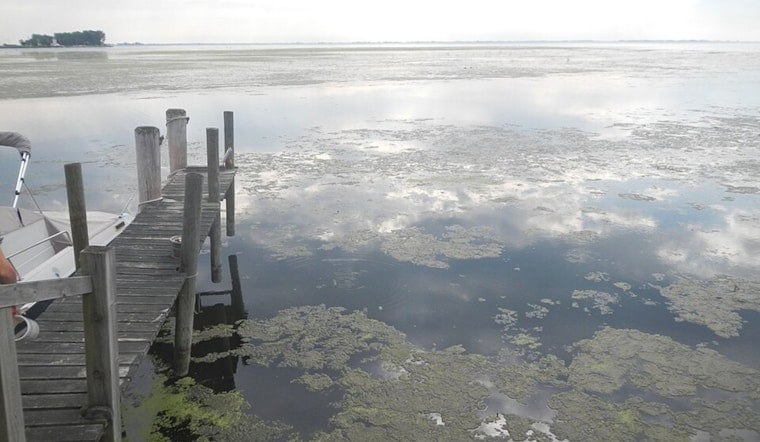
After years of foul-smelling shoreline, beach shutdowns and gummed-up boat launches, Macomb County is getting ready to go after the thick algae "muck" that has been piling up along parts of Lake St. Clair. This fall marks the start of a three-year pilot program that will physically remove the gunk from select shoreline pockets where dense mats of filamentous cyanobacteria have been building in recent seasons. Crews are slated to start the first round of work in September.
Where crews will work and what they will test
The pilot zeroes in on three shoreline stretches in Harrison Township and St. Clair Shores, including Veterans Memorial Park. According to WXYZ, the county plans to try mechanical removal and limited dredging while researchers watch how fast the mats come back and which tactics show promise. The effort is backed by nearly $900,000 in state funding.
"We really need to figure out what is causing this and how can we mitigate it," Macomb County Director of Public Works Candice Miller told reporters, adding that residents should not assume one cleanup will make the problem disappear. The algae can re-emerge from the lakebed, so Miller said the pilot will investigate sediment and lakebed conditions and compare everything from straight mechanical removal to targeted treatments and algaecides. Officials want hard data on how quickly the muck returns before they recommend any long-term playbook, WXYZ reported.
What researchers are finding
Scientists have pinned down the culprit as Microseira wollei (formerly Lyngbya wollei), a bottom-dwelling cyanobacterium that sprawls across shallow sediments, crowds out submerged plants and can harbor toxins and bacteria that create both ecological and recreation headaches. A 2024 literature review prepared for the U.S. Army Corps of Engineers' ERDC lab highlights environmental drivers such as legacy phosphorus stored in sediments, conductivity and light conditions, and it urges an adaptive, closely monitored strategy instead of a single, one-and-done removal campaign. The ERDC review casts the Macomb effort as one piece of a larger, long-term management approach.
County action and procurement
County records show the pilot comes on the heels of a multi-year collaboration with the U.S. Army Corps of Engineers. Macomb County biannual reports and program materials describe a two-year study that led to recommendations for field trials to test mechanical removal and targeted treatments. This year, the public works office has begun shifting from paper plans to shoreline work, lining up contractors and mapping test sites as part of the three-year on-the-water trial. Macomb County outlines the partnership and the steps now in motion.
What residents can expect
For homeowners and park regulars, the goal is practical relief more than instant perfection: usable beach and launch areas while the science catches up. Officials are already cautioning that crews will likely need to return repeatedly, with season-to-season monitoring to see how fast M. wollei regrows after each round of cleanup. Shoreline residents have largely welcomed the upcoming work but have been warned it is designed to answer questions about timing, treatment options and ecological trade-offs, not to wipe out the muck in one season. County leaders say they will post updates as field crews move in and the research team begins to parse results.
Next steps
The first phase of fieldwork is scheduled to kick off in September, with contractors, Corps scientists and county staff handling removals and sampling during the opening season of the pilot. Results from that first round will be reviewed next year. If certain methods prove both effective and environmentally safe, officials hope the project will yield a playbook that can be repeated and scaled up across other trouble spots along the Lake St. Clair shoreline.





.jpg)