

























































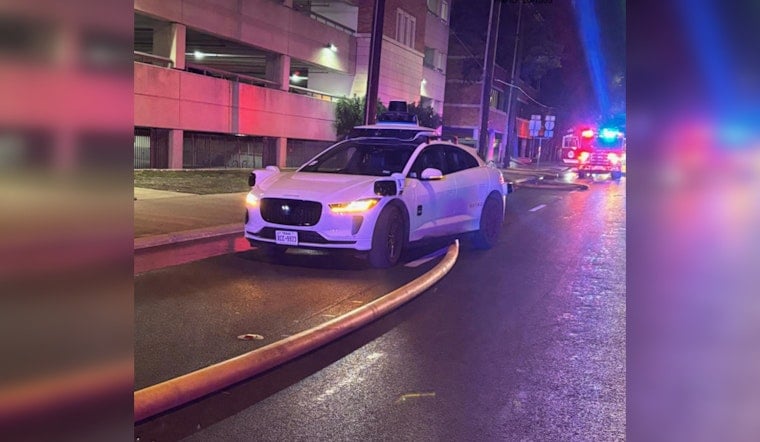
Austin's first responders are wrestling with a very modern problem: driverless ride-hail services are tying up 911 because riders fall asleep in the back seat and do not get out when the car stops. Remote rider-support teams often cannot tell whether a sleeping passenger is even breathing, so dispatchers have been treating those unresponsive robotaxi rides as potential cardiac arrests.
City staff say Austin logged about 99 of these so-called sleeper calls in 2025, with roughly 3% of incidents leading to a hospital transport, and that San Francisco reported about 250 similar calls the same year. According to a City of Austin briefing document, remote support activations that cannot verify a passenger's condition routinely trigger Priority 1 responses that pull ambulances and fire crews off other emergencies.
How A Nap Becomes A Priority-1 Call
When a rider does not exit at their stop, a vehicle's remote support team can end up calling 911 and trying to wake the passenger through the car's speakers. If the operator still cannot confirm that the person is breathing, dispatchers default to the most serious medical response.
"These calls are very resource heavy," Austin-Travis County EMS commander Roger Patterson stated in a City of Austin briefing, describing ambulances stacking up and crews getting diverted from other incidents because of robotaxi sleepers.
When Companies, Congress And Dispatchers Collide
Waymo has told regulators that it uses human fleet response staff to guide vehicles in tricky situations, a model that drew sharp questioning at a February Senate Commerce Committee hearing. Lawmakers pressed Waymo and other operators about where those remote teams are based and how they coordinate with local first responders as the service scales up.
Fees And Cleanup Policies Complicate The Picture
Companies are also trying to contain the cost of messy rides. Waymo's rider pages warn that smoking, vaping, or what it calls excessive messes can trigger a $100 cleaning fee, while coverage of Tesla's Austin pilot describes a two-tier structure: roughly $50 for minor spills and up to $150 for biohazards or smoking. Critics argue that those kinds of penalties could make unattended robotaxi trips even tougher on riders who nod off or get sick along the way, according to Waymo and Gizmodo
What Austin Is Asking For
Austin officials are pushing for stronger local rules, including standardized geofencing around major incidents, clearer dispatch templates for working with remote operators, and options to recover public-safety costs from companies that do not meet city expectations. Those recommendations appear in the city's AV safety briefing as local leaders try to balance enthusiasm for innovation with the grind of real-world emergency response, per the City of Austin




