

























































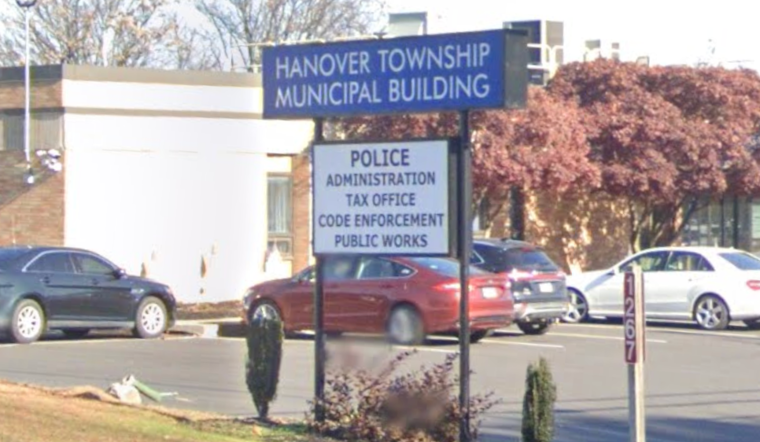
Neighbors in Hanover Township, Washington County, are scrambling to mount a last-minute campaign against a proposed hyperscale data-center campus that would cover roughly 126 acres of a former strip mine tucked behind a rural industrial park. The project, built around eight massive buildings and a behind-the-meter natural-gas power plant, still needs final township approval at a conditional-use hearing set for Aug. 5 at the Hanover VFD Fire Hall. Opponents argue the buildout would permanently change the township's quiet character and inject noise, emissions, and round-the-clock industrial activity into an area with nearby homes.
What’s proposed
Property owner Alex Paris has a sales agreement with Texas-based Prime Data Centers to construct and run the campus, and the developers say the remote, post-industrial setting is a natural fit for a large-scale computing operation. As reported by CBS Pittsburgh, the application calls for eight data-center buildings, an on-site natural-gas power plant, and related infrastructure spread across about 126 acres of reclaimed mine land. On its website, Prime Data Centers describes itself as a developer of large, "AI-ready" campuses that serve cloud and enterprise customers, and it markets build-to-suit and gigascale solutions for hyperscale clients.
Township rules and the hearing
This spring, Hanover Township adopted a standalone data-center ordinance that sets up a dedicated permitting track and legal definitions for big computing facilities. The measure, enacted as Ordinance No. 148 and titled the "Hanover Township Data Center Ordinance of 2026," amends the township zoning code to add data-center definitions and permit standards. According to Hanover Township, the ordinance text spells out the requirements projects must meet to qualify for local approvals, including application procedures, review steps, and enforcement tools for large computing campuses.
Neighbors demand transparency
Residents say the plan landed with little public awareness and argue the new ordinance does not require strong enough setbacks or noise protections for nearby homes. "All of that's going to be gone," resident Gary Munko told CBS Pittsburgh, describing what he sees as the loss of the township's rural feel. Other neighbors told the station they fear health impacts tied to infrasound, continuous compressor noise, and emissions from a private power plant tucked directly onto the project site.
Rules on noise and setbacks
On paper, Hanover's zoning code already includes measurable performance standards that will shape any conditional-use review for an industrial campus. The zoning ordinance sets exterior noise limits, including a 60 dBA cap in rural and residential districts, bars vibrations that can be detected without instruments on neighboring property, and allows the township to require sound walls, acoustical blankets, or mufflers when necessary. Those standards, along with the township's power to demand monitoring or mitigation, are written into the local code and are expected to factor into the review if the data-center project proceeds under existing rules, according to township zoning documents.
Why this matters statewide
Pennsylvania has quickly become a statewide focal point for data-center siting, and policymakers in Harrisburg have been wrestling with how to handle disclosure, incentives, and environmental safeguards as projects multiply. Spotlight PA has tracked efforts this year to increase reporting and link tax breaks to environmental and community standards, even as broader bills have stalled in the legislature. A separate reporting project looking at planned "behind-the-meter" gas plants warns that new on-site power stations proposed for data centers in Pennsylvania could significantly increase greenhouse-gas emissions, a concern environmental groups have seized on as they oppose co-located fossil-fuel generation, according to Inside Climate News.
What to watch at the hearing
The Aug. 5 conditional-use meeting is expected to draw a big crowd and pointed public testimony, as the board of supervisors weighs whether the application fits local rules and what conditions, if any, should be attached. Even if the township signs off, the project could still need state permits or utility approvals for the on-site power plant, and opponents say they are ready to push elected officials for tougher conditions or explore legal avenues if it comes to that. For now, the hearing is residents' clearest near-term shot to press the board to tighten limits on noise, setbacks, and emissions.
Bottom line
Hanover Township's new data-center ordinance opened the door for applications like this one to be reviewed under local standards, but it did not settle the question of whether an eight-building campus and a private gas plant belong at the edge of a quiet community. The Aug. 5 hearing will show whether residents, the landowners, and the board can hammer out any middle ground or whether the fight moves on to the courts and state regulators.


