

























































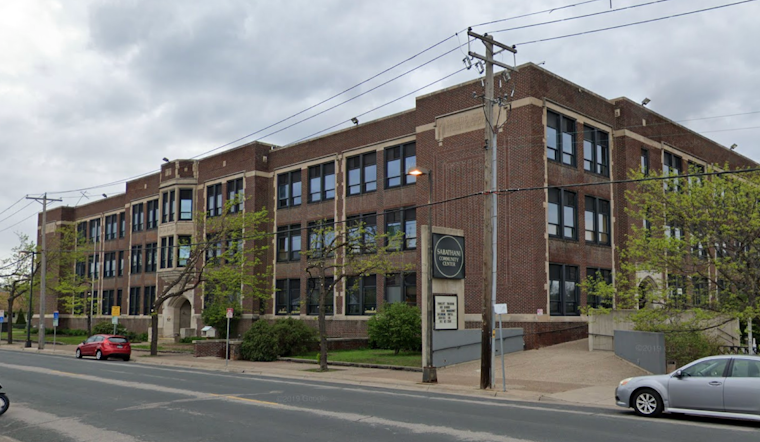
Sabathani Community Center’s clean-energy makeover has reached a tangible milestone: three geothermal wells are complete, its old boilers are gone, and crews are moving into the next phase of a project meant to keep South Minneapolis services running when the grid does not. The historic community hub is being rebuilt with resilience, lower energy costs, and clean-energy jobs in mind.
According to the Minnesota Spokesman-Recorder, the wells have been finished, the existing boilers were safely removed and recycled, and interior work is advancing in phases. Crews are now preparing underground piping while rooftop solar, battery storage, and other energy infrastructure move closer to installation.
South Minneapolis Hub Designed To Keep Services Running
Sabathani’s Community Energy Project is designed to combine geothermal heating and cooling with rooftop solar, battery backup, and microgrid technology. The goal is for the center to remain a dependable place for essential services, shelter, charging, and support during extended power outages or extreme weather.
The project is also being framed as an environmental-justice and workforce-development effort, not merely a large HVAC replacement. In a July update, Sabathani Community Center said local interns are working alongside construction partners, gaining hands-on experience while the building’s systems are transformed.
Project Tied To 38th Street Community Plan
The energy work grew out of the 38th Street THRIVE Strategic Development Plan, a community-led effort created with the City of Minneapolis to preserve the area’s African American history, economic vitality, affordability, and access to living-wage jobs. The City of Minneapolis says the plan is intended to strengthen the district’s long-term resilience and partnerships.
That broader neighborhood focus helps explain why the project includes job training alongside the physical infrastructure. Sabathani’s clean-energy program is intended to create a living laboratory for solar, geothermal, and energy-efficiency careers, with the benefits reaching beyond the building itself.
More Construction And Some Short-Term Disruption Ahead
Financial support has come from multiple levels of government and other partners. Sabathani announced a $6.4 million state allocation in 2024, including funding for geothermal infrastructure and workforce development, while a later EPA grant announcement said $6 million would help complete the geothermal heating and cooling project. Sabathani said the system is expected to reduce pollution by more than 1,000 metric tons annually.
In its latest construction update, Sabathani said crews will continue with piping, solar installation, and additional energy infrastructure while the center remains open. The auditorium’s air conditioning is temporarily unavailable, with cooling replacement expected in late August and geothermal heating and cooling expected to be operational by the end of September.





