

























































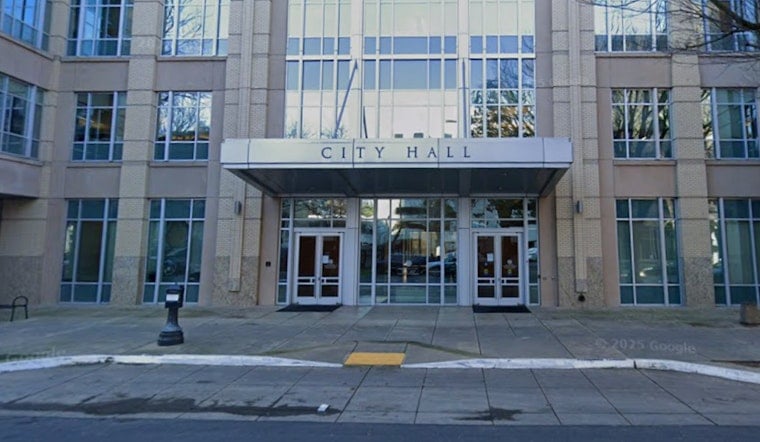
Sacramento officials are looking to shut down a creative workaround that has let new tobacco shops slip into already saturated neighborhoods by stocking a token lineup of "healthy" items. The fix, city leaders say, is about repairing a 2019 policy that was supposed to limit tobacco retailers in communities already living with the heaviest tobacco-related harms.
According to CBS Sacramento, the city is now weighing changes to its healthy-food exemption and talking tougher enforcement after a noticeable bump in tobacco-focused shops that opened under the rule. The current debate is framed squarely as a public health fight over how much tobacco is too much in certain neighborhoods.
How the exemption is supposed to work
Under Sacramento City Code, new tobacco retailers are normally barred from opening within 1,000 feet of another tobacco license. There is a carve-out, however, for stores that keep tobacco products to no more than 5% of shelf space and dedicate at least 10% of their shelves to a list of qualifying healthy-food categories.
Those categories are spelled out by the city and include fresh or healthy food, fruits and vegetables, juice and dairy, meat, fish or poultry, and fresh baked goods. To qualify for the exemption, an applicant has to submit a floor plan and a product list, according to the City of Sacramento. On paper, it is part tobacco control, part food-access strategy.
What researchers actually found in stores
Reality has not quite matched the policy pitch. A policy brief from the Tobacco Cessation Policy Research Center at UC Davis reported that by 2025 Sacramento had roughly 325 tobacco retailers, and that shops using the healthy-food exemption represented a large share of openings after 2020.
When researchers went into those stores, things looked even less like a public health win. Only about 21% of the businesses using the exemption carried fresh fruits and vegetables, the sort of items the rule was meant to promote. The brief from the TCPRC concluded that the exemption was doing little to improve food access and raised serious questions about whether it was mostly functioning as a workaround for tobacco-focused businesses.
How city leaders say the rule went sideways
The City Council approved strict limits on new tobacco retailers in 2019, then added the healthy-food carve-out in 2020 as a compromise designed to support food access. Since then, councilmembers and code staff say, the amendment has been gamed.
Staff have told councilmembers that some retailers technically comply by stocking items like sugary cereals or juices while still operating essentially as tobacco shops. "It was a huge, massive loophole," Councilmember Eric Guerra told The Sacramento Bee, and several councilmembers have indicated they are ready to repeal the exemption altogether.
Community pressure and the paper trail
Neighborhood and public health advocates have been pressing the city to act. Among the documents filed with the City Clerk are letters from the African American Tobacco Control Leadership Council urging the city to scrap the healthy-food exemption.
Those letters and other feedback are included in the official record, and city files show staff are gathering input as they work through potential ordinance language and enforcement strategies. The correspondence and electronic comments can be reviewed through the City of Sacramento.
What changing the rule would take
Getting rid of the exemption is not as simple as a memo. It would require a formal amendment to the city’s tobacco-retailer rules, which typically involves public hearings, staff reports and one or more council votes.
Guerra has also said he wants to revisit the city’s tobacco license fees and increase enforcement funding so that whatever rules are on the books can actually be enforced, according to The Sacramento Bee. If the council signs off on changes, the result could reshape where convenience-style tobacco shops can operate and give code officers clearer grounds to crack down on violators.
What happens next
City staff are expected to return in the coming months with draft ordinance language and options for the council to debate. At that point, councilmembers will decide whether to formally repeal the healthy-food exemption or tweak it further.
Supporters of repeal argue that closing the loophole would scale back easy retail access to tobacco in neighborhoods that already bear the brunt of tobacco marketing and related health problems. For now, the future of Sacramento’s tobacco map hinges on how tough the council is willing to get with a rule that was meant to help but, critics say, ended up backfiring.





