

























































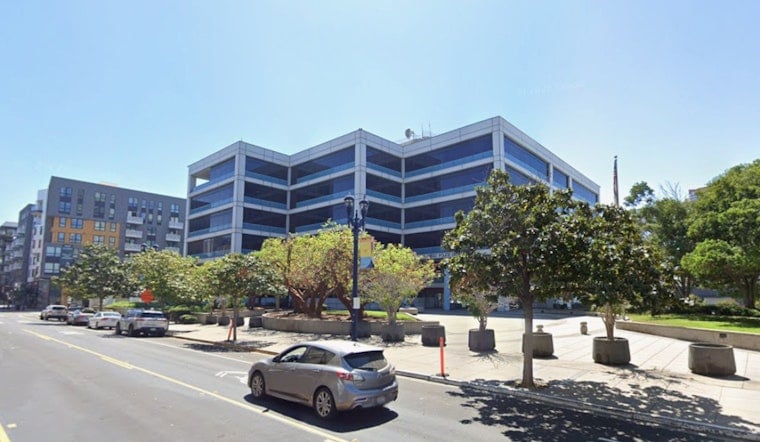
San Diego residents got a crash course in police surveillance plans today, as SDPD hosted a community meeting in Oak Park to explain proposals to expand or formalize six separate technologies, from tapping more license-plate data to testing a drone as first responder program. The event was part of the city’s regular surveillance review process and was billed as a chance for people to press the department on how, when and why these tools would be used.
Meeting logistics and where to speak up
The main presentation kicked off at 3 PM at Anchor Church, 1765 Pentecost Way, and was simulcast to eight additional locations across San Diego so people could offer in-person comments in each council district, according to The San Diego Union-Tribune. City officials said the multi-site setup was designed to reach more neighborhoods and to make it easier for residents without reliable internet access to participate. Attendees were encouraged to review the posted use policies and supporting documents in advance so they could come armed with specific questions.
What SDPD put on the table
The department listed six technologies for public review: external automated license-plate recognition (ALPR) data, a community data-sharing proposal, counter-unmanned aerial systems (CUAS), a Drone as First Responder program, smart glasses and an underwater remotely operated vehicle.
The city describes the ALPR proposal as a way to “increase SDPD’s ability to generate investigative leads,” while casting the other tools as aids for situational awareness, officer safety and niche search or recovery operations. Use policies, background materials and other documentation are posted on the department’s technology portal, according to the City of San Diego.
Police sales pitch meets privacy pushback
One of the flashier proposals, labeled community data sharing, would allow private and public entities to voluntarily funnel video and other data to SDPD during calls for service and criminal investigations. Police say that setup would speed response times and boost their odds of solving cases.
Department officials also told residents that access to certain Flock ALPR data from other agencies is currently handled on a case-by-case basis, a practice that has already raised eyebrows among privacy advocates, The San Diego Union-Tribune reported. Critics at the meeting warned that voluntary sharing and broader data access could easily slide into mission creep and pressed for tight rules on when the information can be searched and for what purpose.
Flock fights and a bigger surveillance backdrop
The latest concerns land in the middle of a longer-running dispute over license-plate readers and the city’s ties to Flock. In April, Axios reported that SDPD quietly signed a contract for new Flock technology late last year, setting off questions about how the deal was vetted and approved.
Community organizations and local journalists have repeatedly called for tougher safeguards, clearer oversight and regular audits of plate-reader systems, according to KPBS. National stories highlighting cases where license-plate reader evidence has been challenged in court have only added fuel to those worries, which is why residents pushed SDPD for detailed answers at Wednesday’s session.
How residents can weigh in next
Online public comment on the six surveillance tools will remain open until 5 p.m. on July 29 at the SDPD technology portal run by the City of San Diego, where the department has posted use policies and supporting documents.
Once the comment period closes, city officials say the proposals will go to the municipal Privacy Advisory Board for review, then move on to the City Council for final consideration under San Diego’s surveillance ordinance. Along the way, councilmembers or advisory board members can ask for additional hearings or more community outreach before any vote on expanded uses of the technology.



