

























































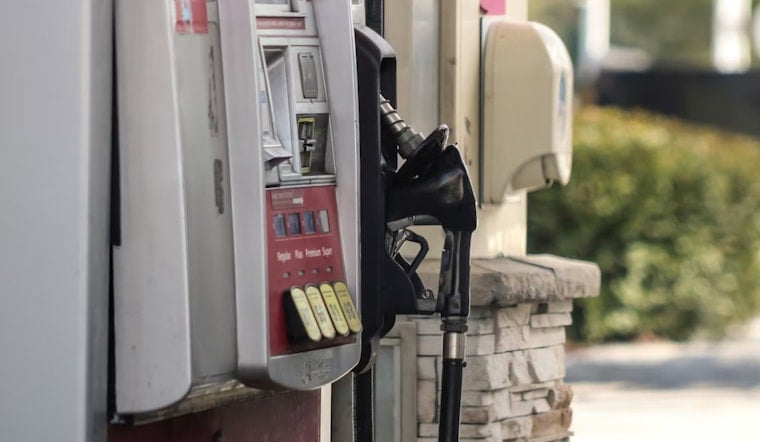
San Diego drivers woke up yesterday to yet another painful number at the pump, as the countywide average for a gallon of self-serve regular climbed to $5.717. It is the 12th straight day of increases, piling on about 27.8 cents during that stretch. The average now sits roughly $1.17 higher than this time last year and remains well above what most Americans are paying.
According to AAA, San Diego County’s average price was $5.717 per gallon as of yesterday, compared with a U.S. national average of $4.11. The local figure edged up another 1.1 cents from the previous day, continuing the slow but steady climb.
City News Service reporting in the Times of San Diego notes the county average has now risen 27.8 cents in 12 days. The story adds that prices are 15.8 cents higher than a week ago and 17.8 cents above a month ago, based on data compiled from the Oil Price Information Service and AAA.
What’s driving the spike
Analysts are pointing to a familiar cocktail of global turbulence and local bottlenecks. AAA and the Oil Price Information Service have cited both planned and surprise refinery maintenance in Southern California that trimmed output, squeezing already tight supplies.
On top of that, the California Energy Commission points out that California’s stricter fuel blend requirements and climate policies, including the Low Carbon Fuel Standard, embed additional costs that keep prices here consistently higher than the national norm. In other words, when the global market sneezes, California drivers tend to catch the full-blown cold.
What to watch next
The latest July outlook from the U.S. Energy Information Administration projects that global oil production should pick up in the coming months, which could help rebuild inventories and eventually ease retail prices. At the same time, the agency warns that tight stocks and geopolitical flashpoints keep the near-term outlook choppy, so sudden jumps at the pump remain very much on the table.
For now, San Diegans looking to blunt the sting can lean on price-comparison tools, hunt for cheaper independent and warehouse-club stations, and avoid filling up at the most convenient corner station out of habit. Watching crude oil benchmarks and local refinery news over the next couple of weeks will offer the best early clues about whether relief is finally on the way or if this bruising run still has room to climb.


