

























































The scaffolds, closed walkways and patchy lawns creeping across some of Washington’s most iconic landmarks are not temporary quirks. They are the visible signs of roughly $2 billion in overdue repairs across the city’s national parks and monuments. The maintenance backlog touches everything from the Mall’s grass to historic fountains and the Tidal Basin seawall, complicating big event planning and even day-to-day upkeep. Local officials and park advocates say aging infrastructure and years of uneven maintenance have turned what should be routine fixes into a sprawling repair list.
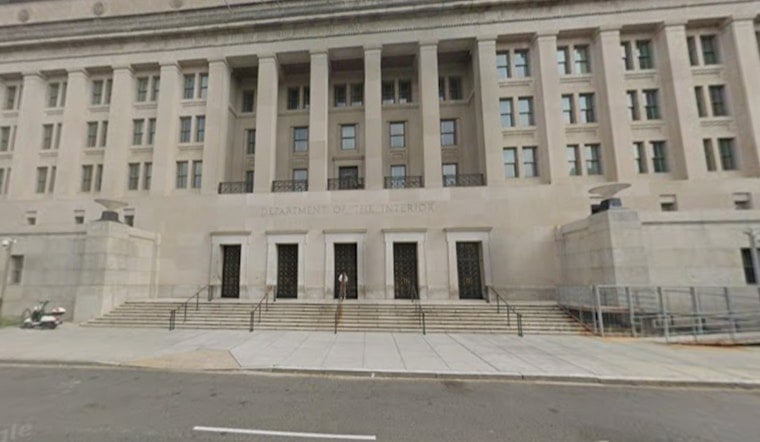
A factsheet from the Department of the Interior puts the deferred maintenance and repair (DM&R) backlog for Interior bureaus in Washington, D.C., at about $2.05 billion, with the National Park Service accounting for the full amount, according to the Department of the Interior. The same document says Great American Outdoors Act (GAOA) funding has already been applied to several D.C. projects and that, over a five-year reauthorization, the Legacy Restoration Fund could invest roughly $240.9 million across 10 assets in the city. Those figures are reported as of Sept. 30, 2025 in the Interior release.
Advocates say the federal tally squares with what they are seeing on the ground. Rebecca Knuffke of The Pew Charitable Trusts told local TV that years of underfunding and aging infrastructure have left D.C.'s monuments and federal parkland with roughly $2 billion in overdue repairs, as reported by FOX 5 DC. The National Park Service’s own factsheet shows the National Mall and Memorial Parks alone carry about $1.3 billion in deferred maintenance, a list that includes paved roads, landscapes and “other assets,” according to the National Park Service. That split helps explain why crews have prioritized the Tidal Basin seawall even as many other needs remain unfunded.
What Congress Is Weighing
On Capitol Hill, lawmakers are trying to decide how much help to send. A bipartisan measure to reauthorize the Legacy Restoration Fund recently cleared committee and would restore GAOA-era deposits of $1.9 billion a year for five years, the U.S. Senate Committee on Energy and Natural Resources says. The proposal would again draw that money from mineral and energy development revenues rather than general tax receipts, mirroring how GAOA originally funded the program, per Congress.gov.
Which D.C. Projects Would Benefit
Interior’s D.C. GAOA factsheet spells out some of the local work that has received or is slated for Legacy Restoration Fund support. That list includes roughly $124.3 million for Tidal Basin seawall Phase I and about $38.6 million for Phase II, multimillion-dollar repairs to the Jefferson Memorial and a $45 million utilities rehabilitation at the White House and President’s Park, according to the Department of the Interior. With a full five-year reauthorization, the agency says the GAOA Legacy Restoration Fund could send hundreds of millions more into local repairs and finish projects already under way.
Support And Skepticism
Conservation groups have largely cheered the reauthorization push, describing it as the most practical way to chip away at years of deferred maintenance. Organizations like Audubon have called the House proposal a critical next step for public-lands stewardship. At the same time, watchdogs and some park advocates warn that the Park Service has at times steered entry fees and other resources toward high-profile D.C. projects, a pattern examined in an investigation by The Washington Post. They argue that any reauthorization needs stronger transparency and clearer rules on how projects are selected.
What Happens Next
The committee vote moves the America the Beautiful Act closer to a floor debate, but lawmakers in both chambers still have to resolve any differences between House and Senate versions before a final bill reaches the President. If approved as drafted, the Legacy Restoration Fund would again deliver roughly $1.9 billion a year from 2027 through 2031, a predictable, non-taxpayer revenue stream that advocates say is badly needed to keep Washington’s monuments open and safe for millions of visitors, according to Defenders of Wildlife.




