

























































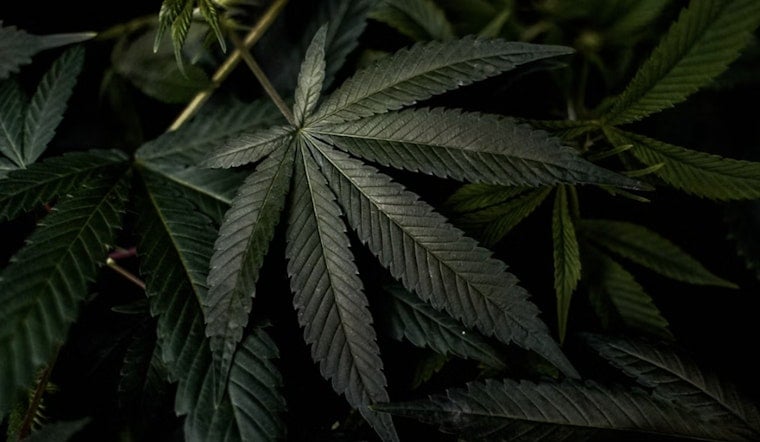
Washington's once-blazing weed market is cooling off, and growers around Seattle are watching their harvests stack up with nowhere to go. Prices are sliding, inventory is clogging farms and wholesale warehouses, and smaller operators without deep pockets or big storage space are getting squeezed. Some boutique growers that have been around for years are now hustling to unload product at painful discounts or quietly shutting down.
Sales Are Down, Supply Is Up
Licensed dispensary sales in Washington topped about $1.4 billion in 2021 before dropping to roughly $1.1 billion in 2025, a slide of about 21% over four years, according to KUOW. At the same time, a 2025 review by the state legislative auditor found that licensed producers likely grew two to three times more cannabis than retailers sold in 2023, signaling a market flooded with product and heavier downward pressure on wholesale prices, JLARC reported.
Growers Watch Product Rot
"Cannabis truly degrades at least some fraction of a penny every second," said Bellingham grower Michael Dykstra, who told KUOW his farm's revenue fell by about $150,000 in December 2024. Without enough processing capacity or long-term storage, many small farms say their flower either ages past its prime or has to be pushed out the door at deep discounts that wipe out already-thin margins.
Taxes and Federal Rules Make Margins Tighter
On top of the market slump, Washington slaps a 37% cannabis excise tax on retail sales, collected right at the register; see RCW 69.50. That state tax, paired with federal rules that have historically barred ordinary business deductions for cannabis because of its Schedule I status, often leaves legal operators with far less take-home cash than a typical retailer. Analysts say that rescheduling or targeted tax relief could significantly change the bottom line for these businesses, according to the University of Colorado Law School's analysis (Colorado Law).
Hemp Loophole and the Illicit Market
The 2018 federal farm bill de‑listed hemp and opened a door for hemp-derived intoxicating products to be sold outside the state’s tightly regulated dispensary system, per Congress.gov. Washington tried to slam that door shut in 2023 with a law that classifies any product with detectable THC as cannabis and limits sales to licensed retailers; see SB 5367. Even so, industry groups say cheap, unregulated hemp products and plain old black-market weed are still undercutting licensed shops and siphoning away sales, the Washington CannaBusiness Association told reporters.
What Regulators Recommend
The JLARC market review urged the Liquor and Cannabis Board to craft a clear plan for collecting reliable production and sales data and to modernize the state's traceability system so regulators can better align the number of licenses with actual demand and spot possible diversion. The report concludes that spotty, incomplete data has limited the LCB's ability to keep the market in balance. For more details, see the JLARC report.
In the short term, growers and retailers do not have many painless choices. They can consolidate operations, team up with processors, lean on Olympia for tax relief, or wait and hope that state and federal changes loosen rules on taxes and banking. Any of those moves could reshape how Washington's veteran legal cannabis market stacks up against cheaper, unregulated competition.





