

























































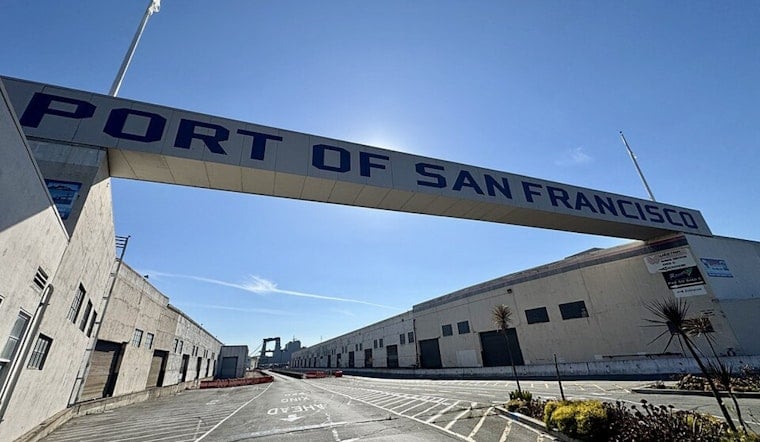
The Port of San Francisco is rolling out the blue carpet for ocean-focused businesses, unveiling a new Blue Economy Initiative this week that offers hefty rent breaks and help with tenant improvements to fill the city’s 7.5-mile waterfront with maritime innovators. Port leaders say the package combines cheaper leases with permitting support and access to partner networks so startups and established firms can test and scale along the Embarcadero. The rollout is pitched as both an economic play and an environmental strategy to grow jobs tied to Bay health and sustainable maritime commerce.
The Port will offer discounted lease rates, including “up to 50 percent off” for qualifying waterfront agreements, and has committed an initial $250,000 to recruit tenants and stand up the program, according to SF Port. The agency describes the initiative as a three-phase effort to speed up innovation, create jobs, and support environmental stewardship along San Francisco’s shoreline. Port officials say they are targeting companies working in sustainable seafood, clean energy, Bay health, ecotourism and digital maritime technologies.
What’s in the deal
Under a tiered structure outlined by the San Francisco Examiner, businesses with Bay access are eligible for a 50 percent rental discount, capped at $50,000. Land-based tenants can qualify for a 25 percent discount, capped at $25,000, along with separate tenant improvement grants. The Examiner reports that the Port will offer up to $50,000 in tenant improvement funding for firms that combine physical space with water access and up to $25,000 for land-based operations, and that applicants can receive either a land-based benefit or a Bay access benefit, but not both. Port staff told the paper they hope to close at least three transactions in the next 18 months as the program launches, with plans to scale up to dozens of partners in later phases.
Local startups and the Port’s pitch
“This is a milestone moment for the Port,” Boris Delepine told the Examiner, saying the initiative is intended to open the door for a new generation of sustainable maritime industry along the waterfront, the San Francisco Examiner reports. Smaller outfits such as Buoy Fish, a local builder of GPS-enabled floats that currently operates out of a Russian Hill garage, were held up as examples of the kinds of companies the Port hopes to anchor in its facilities instead of in neighborhood workspaces.
How to apply and what to expect
The Port has posted an online application and is asking would-be tenants to upload a short pitch deck outlining environmental, economic, and community benefits. Selected partners will receive permitting support, access to pilot sites and introductions to investors, according to the Port’s Blue Economy page. Applicants can schedule an orientation, then move through an initial review, followed by an executive review for proposals that advance. High-value or long-term leases will still require approval from the Port Commission and the Board of Supervisors, SF Port says.
Permitting, public trust and limits
Port lands are held under the public trust and governed by the Burton Act, which gives the city authority to manage San Francisco’s tidelands for commerce, navigation and fisheries, a legal framework that shapes how waterfront leases can be used, according to the California State Lands Commission. That structure means the incentives are built to operate within existing environmental and public trust rules, not to side-step them, and larger or longer-term deals will face an extra layer of public review before they move ahead.
Port staff describe the incentives as an early test case. They plan to track the program as it rolls out and expect to report back as transactions close and partners come on board. For waterfront entrepreneurs and ocean tech founders, the launch creates a limited window to pitch pilot projects that pair Bay access with business plans the Port considers both feasible and environmentally responsible.





