

























































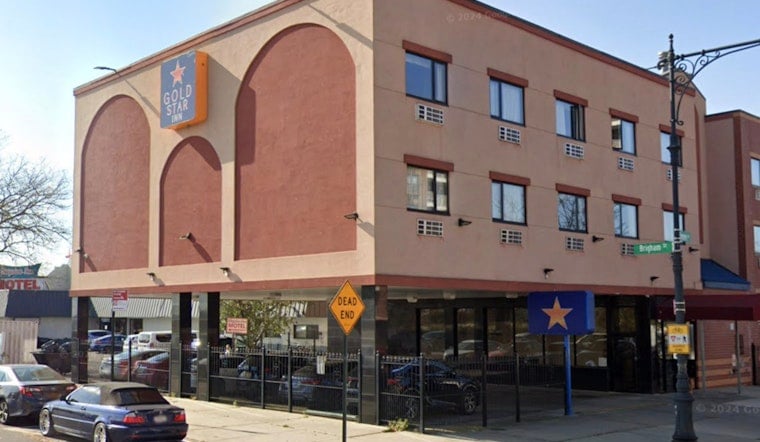
Neighbors in Sheepshead Bay say they were blindsided by the city’s plan to convert a waterfront motel into a men-only shelter that would house roughly 110 single adults and displace dozens of families already living there. The Gold Star Inn, formerly the Comfort Inn on Emmons Avenue across from Lew Fidler Park, is slated to begin taking single men as soon as next week, according to residents and local elected officials. The fast turnaround and limited notice have left parents, small-business owners and park users on edge about safety, parking and the overall impact on the block.
What the city plans
According to the New York Post, the city intends to move about 110 single men into the converted Gold Star Inn and will relocate roughly 55 families who have been staying at the property. The Post reports that the conversion is being driven by a shift in who is entering the shelter system, with more single men and fewer families, and that the building could begin housing single adults as early as next week. Neighbors told the paper they were not given advance public notice before the plan surfaced.
In a letter to the city’s Department of Social Services, Councilwoman Inna Vernikov warned the agency and wrote that “no criminal background vetting will take place,” according to the New York Post. A neighbor identified by reporters as Fahad told the paper that “people are breaking into cars and destroying the park” and said residents blame problems that began after the site first started housing families about a year ago. Vernikov has asked the agency to relocate the proposed men’s shelter, according to Council Member Vernikov’s office.
Neighbors point to rising crime
Residents and elected officials point to local police statistics they say show an uptick in violent and property crimes in the 61st Precinct this year, and they are using those figures to argue against placing a large men’s shelter on the block. The Post reported precinct-level counts that neighbors have repeated in meetings and messages to the council office, and people along the strip say vandalism and break-ins near Lew Fidler Park have become more frequent since the property began housing families. For many locals, the fight is less about individual shelter residents than about the sudden size and type of facility coming to a quiet residential stretch.
City response and the Good Neighbor rules
City officials told reporters that shelter placements are driven by changing needs and that agencies work with communities when conversions happen. A Department of Social Services spokesperson, speaking to news organizations, said the agency implements Good Neighbor policies and keeps lines of communication open with local leaders and residents. The city’s Department of Homeless Services outlines those expectations in its shelter materials, which require clients to follow site-specific Good Neighbor rules and spell out behavior standards for both residents and staff.
Contracting and broader context
Neighbors sounding the alarm about the motel conversion also cited recent reporting on contracting and oversight in the city’s homeless-services network, which raised questions about which providers run emergency sites and the money attached to those contracts. That broader backdrop has helped fuel mistrust on the block, even as city officials say placements are being made to match shifting shelter demand with available capacity.
What happens next
For now, Councilwoman Vernikov and neighborhood groups say they plan to keep pressing the agency for more details and to push for alternatives to the conversion. The city says it will continue talking with community leaders, while residents have scheduled a local meeting to demand clarity and a slower rollout. Hoodline will update this story as officials respond and documents or exact placement dates become available.





