

























































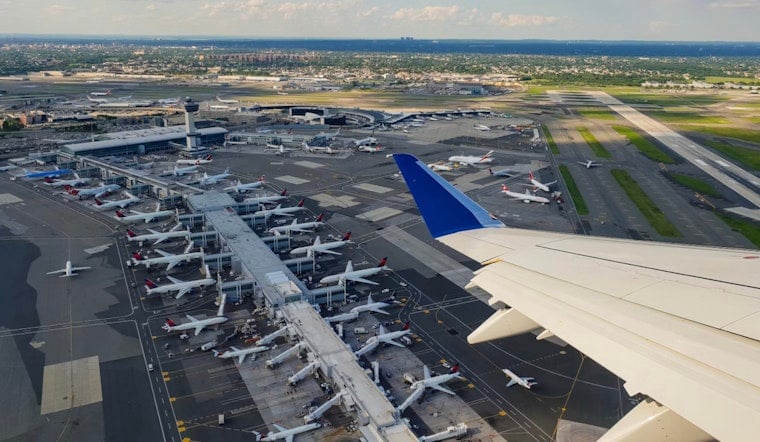
If the skies felt unusually crowded on July 23, it is because they were. Flight-tracking platform Flightradar24 logged 153,359 commercial flights in a single 24-hour span, the highest commercial total it has ever recorded. Fold in everything else it tracked that day and the global count hit 287,364 flights, a reminder of how tightly packed the Northern Hemisphere summer schedule can get. The milestone, shared publicly a few days later, quickly stirred fresh debate over capacity, punctuality and aviation’s environmental footprint.
Flightradar24’s new peak was flagged on July 27 by Airways Magazine, which noted that the figure beat the platform’s previous record of 137,225 commercial flights set on July 13, 2023. The jump of roughly 16,134 flights amounts to an increase of about 11.8 percent over that earlier high. Analysts and Airways are quick to point out that these totals show what Flightradar24 can see in the air, not how many passengers were actually on board, so the record reflects visible operating volume rather than tickets sold or people carried.
What Flightradar24’s Numbers Count
For Flightradar24, “commercial flights” include scheduled and non-scheduled passenger services, cargo operations, charters and a slice of business-jet activity. Its broader “total flights” figure layers in private flying, gliders, many helicopter and medical flights and other tracked movements. The platform’s public stats list July 23 with 153,359 commercial flights out of 287,364 total, a split that matters when anyone tries to line up tracker counts with airline passenger data or airport slot numbers. In other words, July 23 is the busiest day Flightradar24 has ever recorded, not a formal census of every flight approved by every aviation authority.
Hubs And Holiday Schedules Fueled The Surge
Summer schedule data helps explain how the system got so crowded. In its July 2026 rankings of scheduled seats, OAG lists Hartsfield-Jackson Atlanta with about 5.58 million seats for the month and Chicago O’Hare with roughly 5.05 million. Shanghai Pudong, Tokyo Haneda and Dallas-Fort Worth each show around 4.7 to 4.8 million seats. Taken together, those five hubs are responsible for nearly 25 million scheduled seats in July, illustrating how a small group of mega-airports concentrates capacity in peak weeks, according to OAG. With that kind of traffic pulsing through a few key nodes, one busy summer day can quickly turn into a near-global surge.
Tracking Coverage And Caveats
Flightradar24 also widened its field of view this year. In February 2026 it began using Aireon space-based ADS-B positions, which improved tracking over oceans and remote regions and expanded the platform’s coverage footprint. The company has not said whether that upgrade alone shifted its daily commercial totals in a meaningful way, so observers generally treat the July number as the result of better tracking combined with heavier summer flying, based on Flightradar24’s technical commentary. Put simply, the July 23 high is a visibility record for what Flightradar24 can monitor, not an independent global operations audit.
What It Means For Airports, Airlines And Travelers
For airports and airlines, squeezing more flights into a day tightens everything on the ground: gate space, baggage handling, ramp operations and the margin for error when weather, air traffic control limits or technical problems crop up. When the system is that busy, even a small disruption can ripple outward as delays or cancellations. Annual figures show how the daily spike fits into a much larger picture. Airports Council International estimates there were about 102.9 million takeoffs and landings worldwide in 2025, highlighting how these summer highs sit inside an already crowded global network, according to ACI World. Industry watchers say the next question is whether load factors, cancellation rates or on-time performance budged around the July peak; for now, the record is a pointed reminder of just how intense a “normal” busy day can be for airports, crews and passengers.





