

























































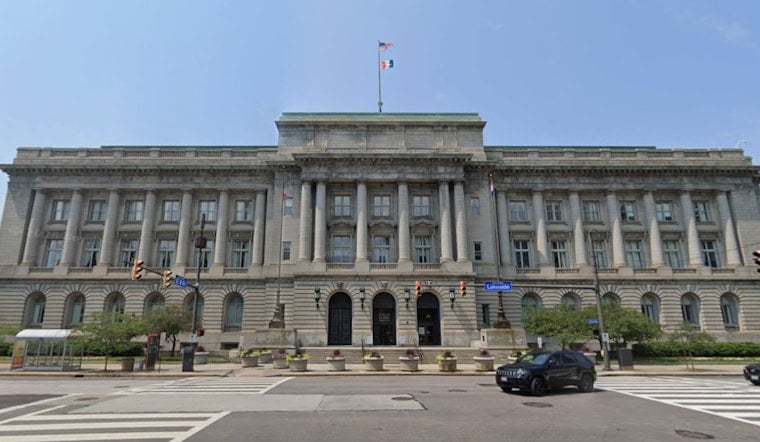
The parents of Cleveland police officer Jamieson Ritter have filed a wrongful-death lawsuit against the City of Cleveland, alleging that chronic failures inside the police department helped create the conditions that led to their son’s killing. The complaint, filed today, July 2, comes just days before the second anniversary of Ritter’s death and names Police Chief Dorothy A. Todd and Public Safety Director Wayne Drummond as defendants. The family is seeking damages and accountability for how the department handled the call that night.
What the lawsuit claims went wrong
According to Cleveland 19, the lawsuit argues that city leaders required patrol officers to work in unsafe conditions tied to chronic understaffing, inadequate training and a lack of proper resources and equipment. The filing also accuses city officials of obstructing the Ohio State Highway Patrol’s investigation into the events that led to Ritter’s death.
The complaint further alleges that Chief Todd notified the family of Ritter’s death by telephone, which it says violated department policy. That action is described in the suit as intentional infliction of emotional distress. The family is seeking recovery based on a series of alleged violations, including dereliction of duty, intimidation, obstructing official business, disrupting public service and unauthorized use of property.
How the fatal warrant service unfolded
Officer Ritter was shot and killed on July 4, 2024, while officers were serving a warrant in Cleveland’s Hough neighborhood. Authorities say the suspect, De’Lawnte Hardy, had killed his grandmother days earlier. The Cleveland Police Foundation and initial police reports state that Ritter and other officers moved into the 1500 block of E. 80th St., where Hardy opened fire and struck the officer.
Hardy has since been charged in the killings. The criminal case has involved competency evaluations and related hearings, which have slowed the case’s path toward trial.
Family’s grief and push for policy change
“It never gets any easier because the loss of a child is never-ending torment,” Ritter’s mother said at a recent memorial, in remarks cited in local coverage of the lawsuit. The family has not limited its response to the civil courts. Ritter’s parents have also been active in pushing for changes to Ohio’s competency-restoration rules.
In written testimony to the state legislature, they argued that current timelines create a gap that can delay justice and urged lawmakers to pass Senate Bill 295. Taken together, the lawsuit and their policy advocacy have kept public and political pressure on prosecutors and city officials as the family presses for answers and reforms.
What is at stake for the city
Civil claims that target a city’s training, staffing or policies tend to raise thorny questions about municipal liability and what plaintiffs must prove to show a pattern of serious problems or deliberate indifference. Legal primers note that these cases often hinge on internal documents, written policies, and whether a department’s practices can be directly tied to the specific harm alleged.
Ritter’s lawsuit arrives at a time when Cleveland has been wrestling with broader oversight issues, including recent steps involving the federal consent decree, a policy backdrop the family and its attorneys may point to as they argue their case about institutional accountability.
The case is newly filed and will move through the Cuyahoga County court system as the city responds, legal arguments are briefed, and discovery unfolds. Court records and public statements from the parties are expected to shed more light on how both the city and the Ritter family intend to fight this out.




