

























































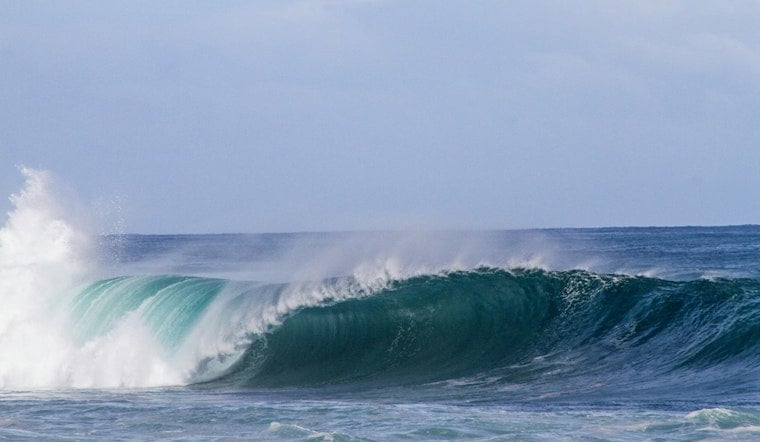
Three straight weeks of unusually long-period south swell in June did not just bring fun surf. It ripped vast stretches of sand off Orange County beaches and beyond, laid bare jetty rocks, chewed at cliffs and triggered emergency repair work along already fragile rail lines. With 17- to 20-second swell marching in, shorelines from San Clemente to Newport Beach were rearranged, and even a chunk of bluff at Steamer Lane crashed into the lineup. Park staff, lifeguards and rail crews hustled around the clock to protect facilities while surfers and beachgoers watched the coastline morph in real time.
The blind spot: why south swells matter
Charlie Fox told Surfline, "There's a huge misconception that only winter swells do major damage to our coastlines." In that Surfline feature, produced with Bring Back Our Beaches and Surfline Coastal Intelligence, he explains that sustained southern-hemisphere swell can strip and shuffle sand in ways that winter-focused planning often overlooks. Seen through that lens, the recent beach damage looks less like a one-off storm disaster and more like the slow grind of weeks of long-period energy doing its work.
Why buoy height can be misleading
On paper, the swell heights did not look outrageous. The catch is that long-period waves travel far, pack serious power and can unload that energy where people least expect it. The National Weather Service and reporting in the San Francisco Chronicle flagged 16 to 18 second southern-hemisphere swell and warned that the classic lull-and-set rhythm can make beaches feel calm just before the heavy hitters arrive. Forecasters say those long pauses increase sneaker-wave and rip-current danger and also help drive the sand loss that reshapes beaches and carves into bluffs.
Armor that bites back at Cottons Point
State records show that the rail corridor at Cottons Point has been armored again and again, and all that rock changes how waves and sand behave. Documents from the California Coastal Commission describe roughly 1,300 feet of permitted armoring around Cottons and warn that adding more rock can bounce wave energy back, speed up scour and choke off natural sand supply to neighboring beaches. In those same records, the commission repeatedly urges agencies to pursue follow-up permits and real mitigation plans instead of leaning on fast hardening fixes that trade one problem for another.
Crystal Cove's vanished cushion
At Crystal Cove State Park, local managers say this south swell run yanked away the protective blanket of sand that normally cushions the historic cottages, trails and park facilities. A June 15 update from the Crystal Cove Conservancy described lifeguards, park staff and contracted crews scrambling to secure infrastructure and survey the losses. The situation drives home Fox's point that beaches can bounce back after a powerful south swell, but only if there is enough sand in the system waiting to move back onshore.
Cliffs and near misses upcoast
Farther north in Santa Cruz, a big section of bluff at Steamer Lane suddenly collapsed and plunged into the surf, barely missing a surfer and prompting fresh safety warnings along the cliffline. Coverage and video gathered by SFGate and Surfer show how fast-eroding bluffs and newly uncovered rock fields can flip a dream swell into a sketchy one. The episode underscores that this is a statewide problem. When the sand is gone, natural buffers disappear and both people and the infrastructure tucked close to the edge are left exposed.
What officials and communities are weighing
Surfline notes that cities that steadily invest in beach nourishment and long-term sand management, including Los Angeles, Newport Beach and Huntington Beach, often ride out these south-swell runs with fewer scars. At the same time, state coastal documents are blunt that emergency armoring is only a short-term bandage, and that serious sediment-supply strategies cost real money and stir up political fights. For now, officials are urging the public to respect beach-hazard alerts, stay back from bluff edges and pay attention as coastal managers and rail agencies roll out whatever follow-up steps they can afford.



