

























































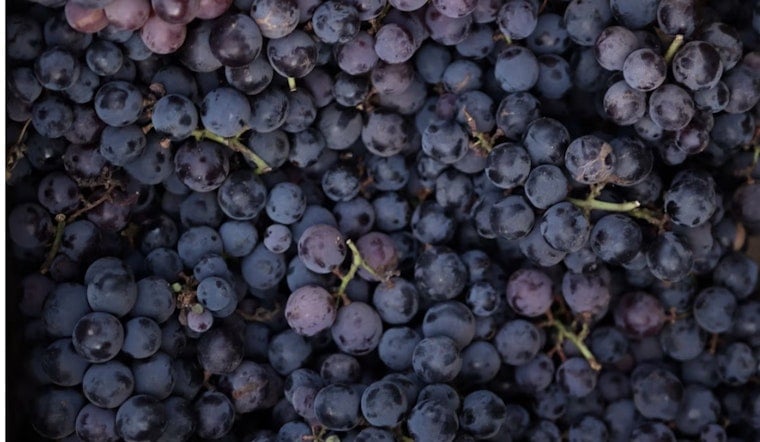
Crews are already rolling through vineyards in Sonoma and Napa, yanking fruit that usually hangs until late summer. California's wine grape harvest is landing weeks ahead of schedule, and growers say this early start is coming with a catch: clusters are noticeably smaller than in a typical year.
As first reported by The Sacramento Bee, the California Association of Winegrape Growers says fruit is ripening roughly three to four weeks earlier than normal and some regions are bracing for roughly half their usual tonnage. Central Coast producers even began picking sparkling lots as early as June 30, according to the California Association of Winegrape Growers.
North Coast Crews Hit The Vineyards First
Sonoma County has jumped out front in the race to the crush pad. Karissa Kruse, CEO of Sonoma County Winegrowers, told reporters this season is the earliest on the books in the last 30 to 40 years and that she expects county yields to come in 35 to 50 percent lighter than normal. In the Russian River Valley, growers began bringing in Pinot Noir blocks in mid-July, and many report that while clusters are smaller, they are delivering concentrated flavors even as overall tonnage drops, according to The Sacramento Bee.
Napa Kicks Off With Bubbly-Bound Fruit
Across the county line, Napa has also turned its first bins of fruit. Round Pond Estate started picking on Tuesday, and Mumm Napa followed with grapes rolling into its Rutherford crush pad yesterday. Sparkling programs usually lead the charge because they depend on bright acidity, and Mumm winemaker Tami Lotz reported that "The fruit is looking and tasting great!" The Napa Valley Vintners announced the valley's official start of harvest.
Wild Spring Weather, Shatter And Tiny Clusters
Growers point to an unusually warm March that pushed vines to flower earlier and faster than usual, creating an early blush of color even in blocks where sugars and flavor have not fully caught up. Late-spring rain and windy conditions during bloom can also increase the risk of shatter, when flowers fail to set into berries, and several North Coast producers say the problem has cut cluster counts this year. Tablas Creek has noted similar patterns.
Light Crop Lands On An Already Tight Market
The early timing is colliding with a still-shrunken 2025 crush of roughly 2.62 million tons statewide and several years of vineyard removals that have already redrawn California wine country. Preliminary figures from the California Department of Food and Agriculture show the 2025 crush was down about 8 to 9 percent from 2024, and local reporting has tracked thousands of acres pulled out as growers chase sustainable returns.
With fruit coming in fast, winemakers are staring down compressed picking windows and some tight scheduling calls, while brokers watch block-by-block yields as vintage plans lock into place. Consumers are unlikely to notice immediate changes on store shelves, but if light crops and fewer acres keep stacking up, availability and pricing could look very different over the next year.


