

























































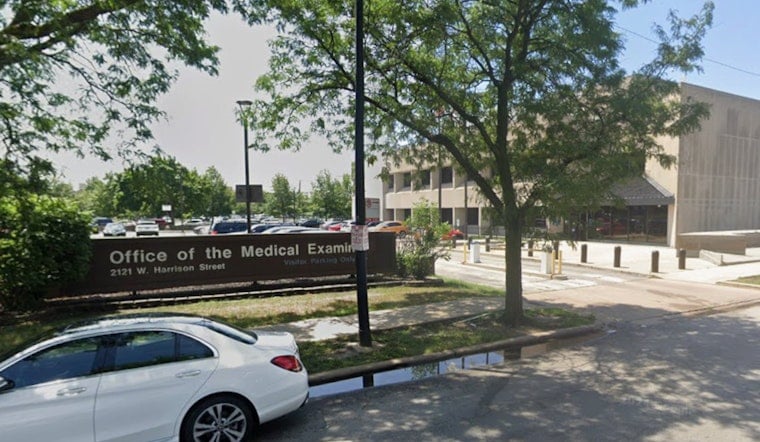
A South Side woman has become the fifth person in the Chicago area to die in connection with the recent blast of heat, county officials say. Stephanie Rodriguez, 47, of the Greater Grand Crossing neighborhood, died after complications of heat stroke were identified as the primary cause of death in an autopsy. The case is a stark reminder of how quickly a short stretch of extreme temperatures can turn deadly for people living with chronic illness or without steady access to air conditioning.
An autopsy found Rodriguez’s death was primarily due to complications of heat stroke, with schizophrenia listed as a secondary cause, according to the Chicago Sun-Times. The outlet reports Rodriguez suffered injuries in the Back of the Yards neighborhood and was pronounced dead at 3:52 a.m. Thursday at the University of Chicago Medical Center. The Sun-Times reports Rodriguez’s death is the fifth heat-related fatality recorded in the Chicago area since July 1.
Cook County records show four other recent deaths have been connected to the heat. They include David Gonzalez, 44, whose autopsy listed heat stroke complicated by hypertension, diabetes and obesity; Mike Rodriguez, 57; and Barbara Whigham, 71, both of whom had cardiovascular disease with heat stress cited as a contributing factor. A 69-year-old Evanston man was also listed with heart disease and heat stress as a secondary cause. Those details were reported by WBBM Newsradio, citing the Cook County medical examiner’s office.
City Ramps Up Cooling And Outreach
Mayor Brandon Johnson’s administration says city agencies have opened dozens of air-conditioned sites and are stepping up outreach to seniors and people living outdoors, as reported by WBEZ. Officials said roughly 287 citywide cooling facilities are available, including libraries, Park District fieldhouses, police district stations and DFSS community service centers. The Garfield Community Service Center has extended evening hours to provide late-night relief, and street outreach teams are distributing bottled water, offering wellness checks and connecting residents to shelter and transportation.
Why Heat Is Deadly
Heat becomes dangerous when the body cannot cool itself effectively and when preexisting medical conditions make recovery harder, public health authorities say. The National Institute for Occupational Safety and Health notes that older adults, people with cardiovascular or respiratory disease, people with certain mental health conditions and outdoor workers are among those at higher risk during extreme heat. High humidity and warm overnight lows make multi-day heat events especially hazardous because bodies do not get a chance to recover between hot days, according to NIOSH.
How To Stay Safe
People without reliable air conditioning are urged to use the city’s cooling centers, stay hydrated and check on neighbors who are older or have chronic illnesses. Residents can locate the nearest cooling site by calling 311 or visiting the city’s cooling-center information, and DFSS says outreach teams are actively connecting people to shelter and transportation, according to WBEZ. Anyone feeling faint, confused or experiencing a very high body temperature is advised to seek immediate medical attention.
Public health experts say the recent string of fatalities is a warning that even a brief stretch of extreme temperatures can prove lethal for vulnerable residents. As reporting in the Chicago Sun-Times noted, the cumulative effects of dehydration and disrupted sleep over multiple hot nights can push people with chronic conditions into life-threatening states.





