

























































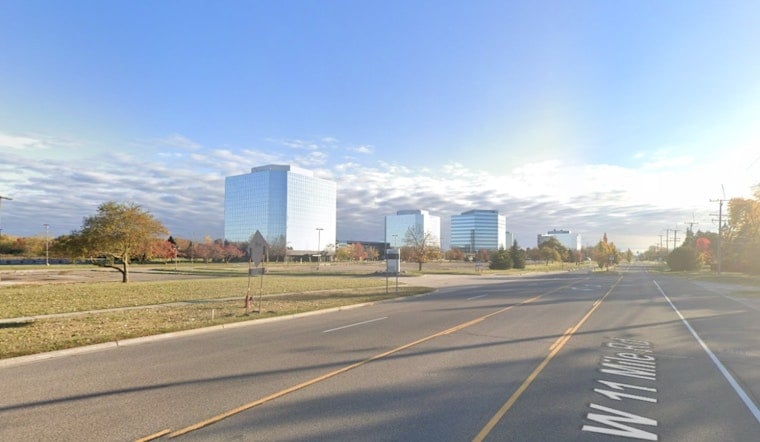
After years of sitting mostly idle, the former Blue Cross Blue Shield campus at 27200 and 27300 West 11 Mile Road is finally getting a second act. Southfield's City Council has signed off on a $65.1 million plan to turn the site into a mixed-use community anchored by 305 workforce housing apartments. The proposal calls for ground-floor retail and space for future commercial development, with most units marketed to households earning up to 120 percent of the area median income. Developers say at least 10 percent of the apartments will be reserved for households at or below that income threshold.
City Officials Cheer the Comeback
Southfield Mayor Ken Siver framed the vote as part of a broader push to breathe new life into aging commercial properties while shoring up the city’s housing options. "Every new housing project brings us one step closer to achieving our goal of expanding housing opportunities across Southfield," he said, according to ClickOnDetroit. City leaders say the investment is expected to bolster the tax base and send more foot traffic to nearby businesses, the outlet reports.
Developer’s Game Plan
The redevelopment is being led by DV Properties LLC, an affiliate of Brady Sullivan Properties, which will convert the site’s two former office towers into apartments with ground-floor retail, as reported by REBusinessOnline. The publication notes that the project is aimed squarely at workforce renters and will include neighborhood-serving retail with room set aside for future commercial tenants.
From Office Hub to Empty Shell
Blue Cross Blue Shield left the Southfield complex in 2012, moving roughly 3,000 employees to the GM Renaissance Center in downtown Detroit, according to ClickOnDetroit. Since then, the property has been largely underused, a familiar sight to commuters and neighbors, and a textbook candidate for adaptive reuse.
What It Says About the Housing Crunch
Turning older office campuses into housing has gone from a quirky idea to a mainstream strategy as cities juggle high commercial vacancy and a stubborn housing shortage. Analysts at Deloitte Insights have argued that office-to-residential conversions could add tens of thousands of homes under the right financial conditions, and a 2026 report from the Pew Charitable Trusts highlighted adaptive reuse as one tool cities are using to reshape commercial districts, a context that helps explain Southfield's push to reinvent this long-idle campus.
What Happens Next
Now that the council has given the green light, city officials and the developer say they will roll out construction timelines and additional project details as the redevelopment advances, REBusinessOnline reports. Neighbors and nearby businesses are likely to keep a close eye on upcoming permitting and design filings for clues about when work on the long-quiet towers will finally kick into gear.





