

























































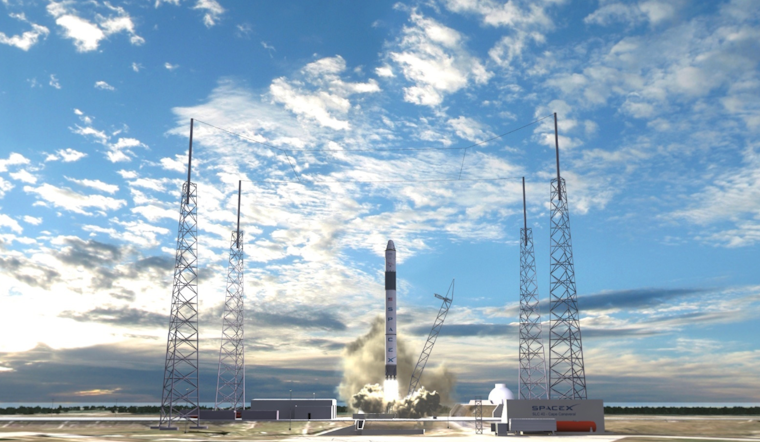
The Space Coast got another predawn rocket wake-up call Tuesday as SpaceX sent a Falcon 9 roaring off the pad at Cape Canaveral, even while federal regulators quietly cleared the company for its next giant Starship test out of Texas later this week. The Falcon 9 lifted from Space Launch Complex 40 with a fresh batch of Starlink satellites, while teams at Starbase in South Texas worked through final checklists, a one-two punch that shows how routinely SpaceX is now juggling high-cadence operations on both coasts.
On Monday the Federal Aviation Administration said it had accepted the findings of SpaceX’s investigation into the May 22 Super Heavy booster return failure, identifying two most probable root causes: heat-related effects on propulsion components during ascent and incorrect engine alarm settings. SpaceX outlined four corrective actions in its report, which the FAA oversaw and accepted, removing a regulatory roadblock to the next test, according to Reuters. The company says it has already rolled out related hardware and software updates intended to cut the odds of a repeat failure.
What Flight 13 Will Try
SpaceX is aiming for a roughly 90-minute window opening the evening of July 16 for Starship Flight 13, with a to-do list that includes deploying 20 Starlink V3 satellites, attempting an in-space Raptor engine relight and grabbing close-up imagery of the heat shield during reentry, as detailed by Aviation Week. Company updates describe adjustments to engine start-up sequencing, alarm thresholds and other hardware on the new Super Heavy booster to boost relight reliability. If those fixes perform as intended, this would be the first Starship mission to carry operational Starlink V3 payloads.
Space Coast: Falcon 9 Still Busy
While Starship grabs headlines, the workhorse Falcon 9 is keeping Florida’s skies busy. A Falcon 9 launched from Space Launch Complex 40 carrying about 29 Starlink satellites, and its first stage touched down on the droneship A Shortfall of Gravitas stationed downrange, Orlando Sentinel reports. The brisk tempo of Falcon 9 flights, many on heavily reused boosters, regularly triggers temporary airspace and waterway restrictions as range crews reset between launches. For residents and businesses along the Space Coast, that translates into more short-notice closures, along with plenty of last-minute chances to step outside and watch a rocket go.
Hoodline has tracked how that launch rhythm spills into everyday life, from traffic backups to packed riverfront parks. Its report Coffee, Traffic, Liftoff notes that the stretch from Titusville to Cocoa Beach now routinely sees brief road, marina and airspace limits tied to range safety procedures.
FAA Oversight, In Plain Terms
The FAA’s signoff on SpaceX’s mishap report is a required milestone, but it is not a free pass. Agency guidance makes clear that acceptance of findings does not end oversight. SpaceX still has to implement the corrective actions and meet all license conditions before any longer-term operational changes get the green light, according to the FAA. Regulators retain the authority to confirm that fixes actually work in the complex, multi-engine flight environment and to order further modifications if they see lingering risks to public safety.
SpaceX has been moving quickly to prove out those changes. Crews at Starbase completed a full-duration static hot fire of a 33-engine Super Heavy booster earlier this week as part of final checks, Space.com reports. For Space Coast residents and boaters, that means the alerts, exclusion zones and last-minute schedule shuffles tied to Falcon 9 and Starship activity are not going away anytime soon.





