

























































A St. Augustine attorney’s career is on the ropes after The Florida Bar concluded she borrowed $16,000 from an elderly client and committed other procedural violations. In a June 24 order, the referee recommended that the lawyer be removed from the roll of attorneys for at least five years, a disciplinary step that would sideline her from practicing law for a long stretch. The case has attracted local attention because it spotlights how quickly things can go sideways when lawyers blur the line between personal finances and client relationships.
According to the Jacksonville Business Journal, the Bar found a conflict of interest tied to the $16,000 loan and cited additional procedural breaches of the Rules Regulating The Florida Bar. The Journal reports that the June 24 recommendation followed a formal disciplinary proceeding that examined the loan arrangement and the attorney’s conduct.
Bar’s Finding And Proposed Sanction
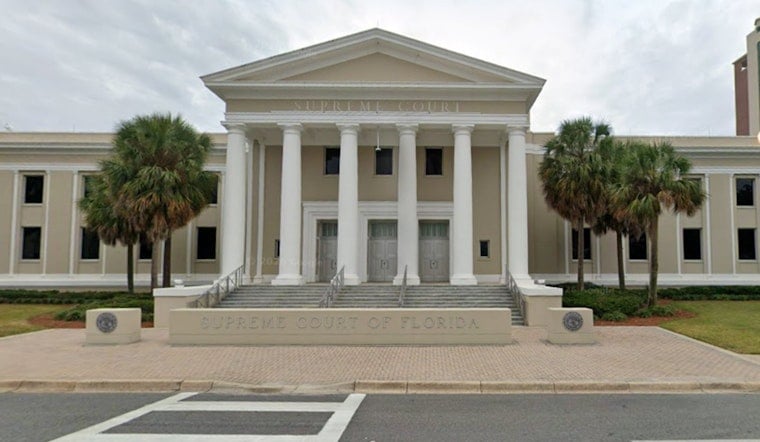
The Florida Bar and the Florida Supreme Court treat disciplinary revocation with leave to seek readmission after five years as a standard remedy in especially serious misconduct cases, including major conflicts of interest or misuse of client funds. The Florida Bar News has documented recent orders of that type and explains how, once the Bar files its recommendation, the state’s high court reviews the record and formalizes any discipline.
Why Loans From Clients Are A Red Flag
Personal loans between lawyers and clients create a direct financial tie that can chip away at an attorney’s duty of loyalty and independent judgment. Florida case law and trust-account decisions emphasize that lawyers must keep client funds strictly separate from their own and avoid transactions that look anything like misappropriation or a conflict of interest. The courts and the Bar subject such dealings to strict scrutiny, as reflected in Florida Supreme Court precedent on trust-account obligations.
What Clients Can Do
Clients who believe they were harmed in a situation like this can file a grievance with The Florida Bar and, if they qualify, apply to the Bar’s Clients’ Security Fund for partial reimbursement of losses. The fund is supported by membership fees and has paid out millions of dollars in relief over time. For background on how the fund works and how complaints are handled, The Florida Bar directs the public to The Florida Bar's public information.
The recommended revocation in the St. Augustine case is still subject to the Florida Supreme Court’s final order and to any rehearing or appeal the attorney might pursue. The matter is public record, and anyone with information about the case or concerns about attorney conduct can contact The Florida Bar’s Division of Lawyer Regulation.





