

























































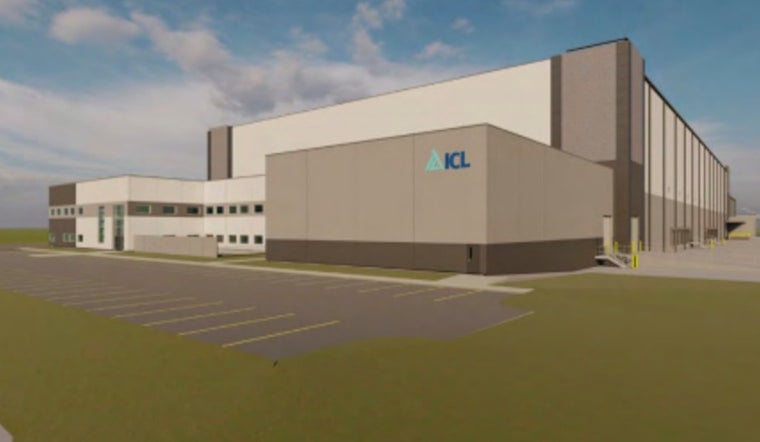
City officials quietly signed off on hefty tax breaks for Israel Chemicals (ICL) while the company faced pointed questions about its ties to white phosphorus munitions and a long regulatory trail at its South City complex. The North City battery materials project those incentives were meant to support later collapsed when promised federal support disappeared, sparking fresh criticism over how the deal moved through St. Louis’ incentive pipeline.
What the city authorized
In November 2024, the Planned Industrial Expansion Authority approved a major package of tax abatements to support an ICL expansion in North St. Louis. The board signed off on roughly 90 percent abatements on real and personal property in the early years, with real estate tax relief stepping down over time. The structure was pitched as a way to unlock hundreds of millions of dollars in private investment and create dozens of permanent jobs. According to St. Louis Public Radio, the vote moved quickly and involved limited public testimony.
Federal money and the stalled plant
The U.S. Department of Energy’s draft environmental assessment from December 2024 lists a planned federal contribution of about $197.3 million for a roughly $494 million lithium iron phosphate cathode plant, and ICL’s own investor materials describe that DOE backing as central to the project’s financing plan (U.S. Department of Energy, ICL investor relations). Local campaigners say ICL walked away from the North City plan in November 2025 after that federal support was pulled, ending the deal that the city had helped clear with its tax package (ICL Out of STL).
Defense contracts and the white phosphorus trail
Federal procurement records show an ICL-affiliated unit receiving delivery orders described as “white phosphorus” in support of Pine Bluff Arsenal between 2020 and 2024, with those orders listed in the government’s public spending database. USAspending details the delivery orders and the money attached to them. Human rights organizations have long documented the humanitarian risks posed by white phosphorus munitions and raised alarms about their use in populated areas (Human Rights Watch, Amnesty International).
Carondelet plant’s regulatory history
On the city’s south side, ICL’s Carondelet campus has been a fixture in state environmental files for years. The Missouri Department of Natural Resources tracks the facility at 8201 Idaho Avenue and notes decades of industrial activity and cleanup efforts. State records flag past releases at the site and show it under ongoing oversight and potential administrative action, illustrating the significant regulatory footprint ICL already has in St. Louis (Missouri DNR).
Community pushback and demands for sunlight
Organizers rallying under banners like ICL Out of STL mounted a sustained campaign against the incentives. They spotlighted the company’s defense procurement records and the Carondelet site’s environmental history while arguing that the city’s abatement process is too opaque and too friendly to large corporations. Their petition sites and campaign updates tracked the project’s cancellation and pressed for tighter rules around incentives, including stronger public notice, clearer timelines for key ordinances, and easier access to records behind City Hall decisions (ICL Out of STL, Action Network).
City response and the next fight
The St. Louis Development Corporation has said it is already operating under updated incentive rules. The agency told reporters it “implemented transparent, standardized, and beneficial policies and procedures” for reviewing development proposals in 2023 and that it follows those policies when evaluating tax breaks and other aid. Local advocates counter that the ICL saga is exactly the kind of episode those policies are supposed to prevent, and they argue it exposes the need for clearer and faster public reporting along with hard safeguards that ensure communities can weigh in before large abatements are locked in (St. Louis Magazine).





