

























































Two deep-tech startups have quietly set up shop in Colorado this year, tapping state grants, accelerator programs and tax credits even as a high-profile group of business leaders warns the state’s reputation as a tech growth hub is slipping. The moves into Broomfield and other Denver-area hubs highlight a familiar split: Colorado can still lure industrial-scale startups, but founders and investors say policy choices, rising costs, and rivalry from other states are testing how long they will stay. That tension is now playing out in incentive approvals, grant rounds, and a public broadside from local executives.
What The Deals On Paper Reveal
According to The Denver Post, an ad-hoc coalition of founders, investors, and civic leaders has circulated an open letter warning that Colorado is “losing companies and jobs,” with more than 400 signatories. The Post’s coverage pairs those concerns with recent relocations and state awards, showing both the pull of Colorado’s ecosystem and the anxiety simmering among operators and investors. The reporting has dragged a mostly private debate out of boardrooms and into the public arena, landing it squarely on lawmakers’ desks.
Raven’s Big Bet On Broomfield
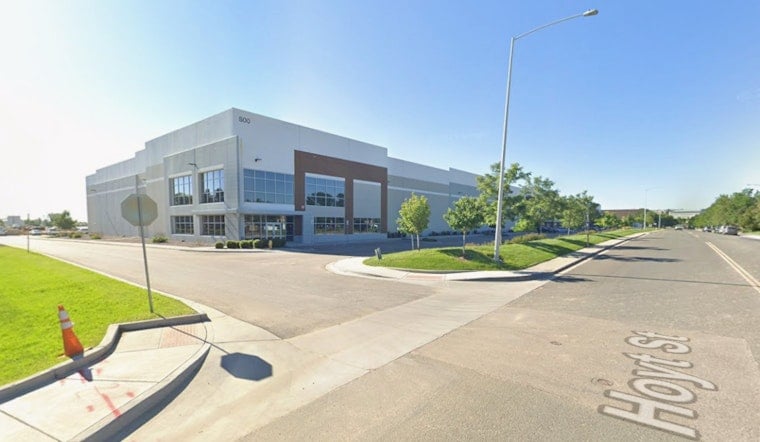
Raven Space Systems, a company focused on 3D-printed aerospace composites that relocated from Kansas City last year, chose Broomfield for a pilot headquarters and manufacturing line. The Colorado Economic Development Commission signed off on as much as $5,852,666 in performance-based job growth tax credits over eight years for the company, according to a press release from the Governor’s Office. Local coverage has cast the move as a strategic play to plug Raven into Colorado’s aerospace cluster and supplier network. Startland News highlighted the company’s plans to scale manufacturing in the region.
Grants That Helped Seal The Deal
State grant programs are now a core part of the recruitment toolkit. The Colorado Office of Economic Development and International Trade recently announced Advanced Industries Accelerator awards that included $250,000 awards to companies developing next-stage technologies. Those non-dilutive awards, together with the broader Opportunity Now grant work, are intended to keep R&D and manufacturing in Colorado while helping firms survive the notorious “valley of death.” The OEDIT announcement lists the latest grant recipients and program details, and company statements confirm that those awards helped convince some startups to put down roots in the state. OEDIT and company posts describe the program’s role in recent relocations, including firms that arrived from out of state.
Leaders Hit The Panic Button
Business leaders pushing the open letter point to what they see as worrying trends. State tracking and local reporting show an uptick in headquarters exits and relocations. Data cited by Axios Denver indicate that scores of companies have either left Colorado or opted not to expand here since 2019, with roughly two dozen relocations reported in the past year alone. That pattern, even as some policymakers contest the dire framing, has galvanized signatories who argue Colorado needs to move faster to retain jobs, capital, and high-paying roles.
State Counters With Jobs And Training Numbers
State officials respond by pointing to concrete results from those same programs. OEDIT materials say Opportunity Now Colorado has placed more than 8,000 workers into advanced industries, healthcare and education, and is on track to serve 20,000 Coloradans, supported by nearly $90 million in grants. The agency also tallies expansion efforts that it says persuaded 143 businesses to locate or expand in Colorado between 2019 and 2025, projects that OEDIT says are expected to create tens of thousands of jobs and billions in wages. For agency leaders and their allies, those figures serve as the rebuttal to claims that Colorado’s business climate is collapsing, and they frame the investments as part of a long-run talent and industrial strategy. OEDIT reporting lays out program summaries and grant totals.
Startup founders and investors describe a straightforward tradeoff. Non-dilutive capital, accessible workforce training, and a dense supplier base can outweigh higher rents or tricky regulation, at least for companies with heavy R&D or manufacturing needs. That tension, between incentives like grants and what many see as policy or cost headwinds, is likely to shape state economic-development debates this fall as officials, legislators, and industry groups decide whether to expand incentives, streamline permitting, or tweak training investments. For now, Colorado’s mix of headline-grabbing wins and pointed warnings ensures that the question of “where to build next” will stay very much alive in the Denver metro area.





