

























































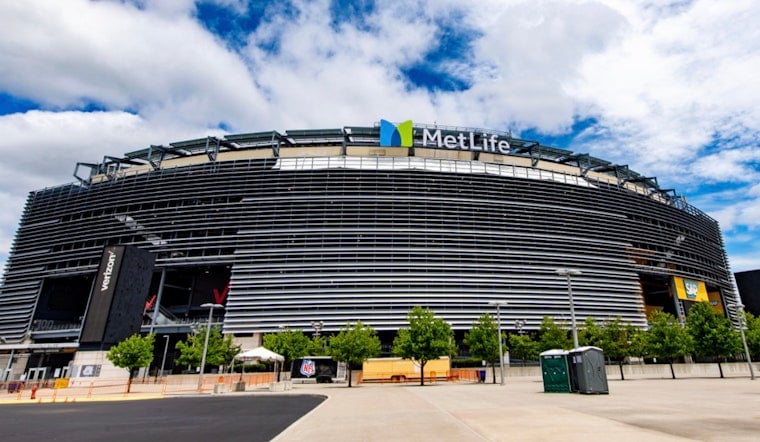
Next Sunday, the 2026 FIFA World Cup final at MetLife Stadium will be played on grass that started its life in Stillwater. The surface is Tahoma 31, a warm-season bermudagrass developed by Oklahoma State University turf researchers. The choice puts an OSU variety under the spotlight of the world's most watched soccer match and highlights the university's expanding role in professional and international sports venues.
OSU Turf Hits The World Stage
Oklahoma State University confirmed that Tahoma 31 will be the playing surface for the final at MetLife Stadium next Sunday. The university pointed to the variety's fine texture, dark color, drought and shade tolerance, high density and cold hardiness as key reasons grounds managers selected it. OSU also stressed player safety, noting that Tahoma 31's density can help reduce slips and injuries, and praised the work of its turfgrass research and extension team. According to Oklahoma State University, the variety has already seen action across multiple major venues.
Where Tahoma 31 Took The Field
Three World Cup host venues featured Tahoma 31 this year: Estadio BBVA in Monterrey, Levi's Stadium in Santa Clara and MetLife Stadium, where eight matches, including the final, were played on the grass. Media coverage tied OSU's turf program directly to those installations and credited the cultivar with wide tournament use. As reported by OKC Fox, OSU-developed varieties appeared in 28 of the competition's 104 games.
Why Grounds Crews Went With Tahoma 31
Tahoma 31's developers point to lab and field trials that show superior winter hardiness and measurable water savings compared with other bermudagrass cultivars, traits that matter when a pitch has to handle intense use and shifting climates. Project materials cite roughly 20% lower water use in certain trials, along with top rankings for shade and wear tolerance that appealed to stadium managers preparing for heavy World Cup schedules. As detailed on Tahoma 31, those characteristics were central to why venues selected the cultivar.
From Sod Farm To Stitched Pitch
FIFA requires natural grass for World Cup matches, which meant stadiums with artificial turf had to bring in the real stuff ahead of the tournament. At MetLife, crews transported hundreds of pre-grown rolls after a months-long farming effort in the Carolinas, then used stitching machines to bind the pieces into a single playing surface over several days. As reported by NY1, about 27 truckloads of turf made the trip north, and extra lead time was built in to avoid earlier installation problems.
What It Means For OSU And The Turf Industry
OSU researchers and extension specialists say the World Cup spotlight is likely to boost licensing and research opportunities, and the turf's performance in the final offers a real-world demo for stadium managers and golf-course superintendents. The university pointed to past installations at the U.S. Capitol and other high-profile venues, and noted that a related residential turf variety from the same team is expected to be available to homeowners next year. Per Oklahoma State University, the World Cup final marks another milestone in the program's long record of turf innovations.




