

























































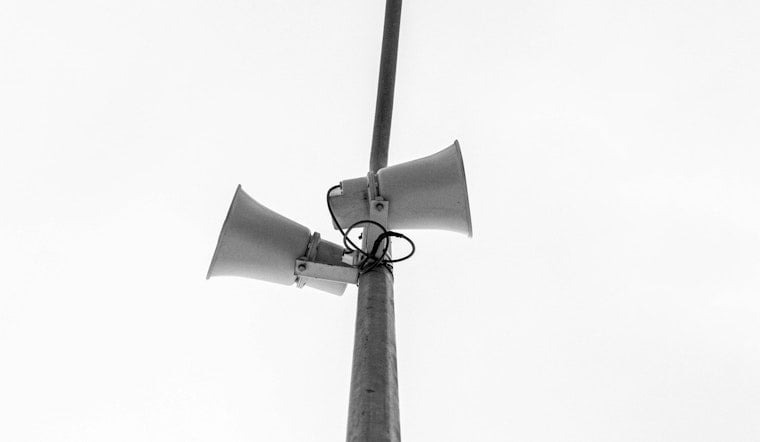
Hennepin County pulled the plug on its regular monthly outdoor warning siren test today as a strong storm setup closed in on the Twin Cities, and Minneapolis officials are making one thing crystal clear: if you hear sirens, treat them like the real deal and head for shelter.
Why Officials Called Off Today's Test
Forecasters placed parts of the Upper Midwest under an enhanced risk for severe thunderstorms, with the Storm Prediction Center warning of damaging winds, large hail and a few tornadoes this afternoon and evening. Because of that threat, officials decided not to run the usual 1 p.m. first Wednesday test so the sirens would stay available for any real activations, according to CBS Minnesota.
What 'Growl Tests' Mean For Your Neighborhood
At the same time, Hennepin County is in the middle of upgrading the control system for nearly 300 outdoor sirens and has been running short "growl tests" to make sure the new gear actually works when it counts. The Star Tribune reports that the upgrade should let officials target alerts more precisely, and county emergency management staff said they canceled July's routine test so the system would be ready for any real weather warning.
If You Hear a Siren, Treat It As Real
The City of Minneapolis wrote on its official City of Minneapolis Government page: "If you hear sirens today, assume it is a real alert and seek shelter immediately." The post emphasized that skipping the monthly test does not mean the siren network is offline and that any unexpected siren should send people indoors and away from windows.
How The Tests Work And Where To Get Alerts
Hennepin County notes that outdoor warning sirens are meant for people who are outside, that monthly tests typically sound at 1 p.m. on the first Wednesday of each month, and that the sirens do not broadcast an "all clear" tone. For details on the system, test schedules and public warning email signups, see Hennepin County Emergency Management.
Stay Weather Aware
Officials urge residents to keep more than one way to get warnings so a missed siren does not become a missed emergency. A NOAA weather radio, local TV coverage or trusted weather apps will carry full details if sirens are triggered.
The severe weather outlook and any updates are being tracked by the Storm Prediction Center and local outlets such as FOX 9.



