

























































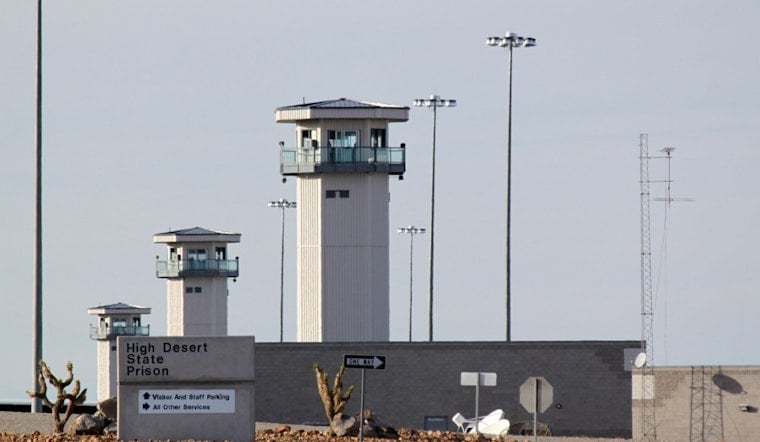
As Southern Nevada bakes under a brutal heat wave, people inside High Desert State Prison near Indian Springs say the relief they were promised is doing the exact opposite. Instead of cooling the cellblocks, some of the prison's swamp coolers are reportedly turning living spaces into sticky, stifling rooms where the air feels hotter, not colder.
Inmates and their families told local reporters that cells have felt unusually warm in recent days, with the aging cooling units leaving many areas humid and uncomfortable. The Nevada Department of Corrections has acknowledged problems with the equipment and offered a technical explanation for why it can feel worse when the systems are running.
In an email to News 3, NDOC spokesperson Teri Vance said that evaporative cooling systems "can increase humidity, which can make conditions feel warmer during extreme heat." The department also told the station it has received multiple messages claiming the cooling units at High Desert were not working properly and said staff are monitoring indoor temperatures and taking steps to blunt the impact.
KTNV reported that one incarcerated person at High Desert was treated for a heat-related illness. According to the station, the department has ordered a slate of supplies that includes a portable misting system, 77 five-gallon igloo water coolers with ice, 28 industrial fans and two portable swamp coolers. Officials have also transferred more than 150 offenders to other prisons in order to shut down the unit that was most affected.
All of this is unfolding while the National Weather Service keeps an Extreme Heat Warning in effect for southern Nevada through Monday, with daytime highs well above 100°F making every attempt at relief harder to pull off.
How swamp coolers can make things worse
Evaporative coolers, often called swamp coolers, work by pulling hot air through water-soaked pads. The process drops the air temperature but also adds moisture to the air, which drives indoor humidity up.
The U.S. Department of Energy notes that direct evaporative systems increase indoor humidity and lose effectiveness as wet-bulb temperatures climb. In practical terms, that means there comes a point where the air feels heavy, clammy and hotter, even while the coolers are humming along.
Years of wear, a costly fix
The weak spots at High Desert did not appear overnight. Regional reporting has documented corroded parts, hard-water buildup and cooling units that have strained to keep up during past heat waves. This is Reno and other outlets have detailed ongoing maintenance problems, and state capital-improvement records list an "evaporative cooling replacement" project for High Desert's housing units, signaling that a full overhaul is planned and expected to be expensive.
Advocates and some lawmakers say the fix is not moving fast enough. Groups including the ACLU of Nevada and local organizers have visited the prison and warned about cell temperatures and access to medical care, arguing that fans, ice and temporary gadgets are no substitute for real infrastructure upgrades. Nevada Current has covered those visits along with growing calls for tighter oversight of prison conditions.
NDOC maintains that it is closely tracking temperatures, shifting people between facilities and rolling in temporary equipment as needed while the extreme-heat warning remains in place. Families and advocates say they want something more concrete: clear timelines for permanent cooling upgrades or policy changes that keep people in heat-vulnerable units from baking every time the mercury spikes.





