

























































Tampa Bay neighborhoods are quietly, and not so quietly, being rearranged by water. Higher tides and increasingly common sunny-day flooding are forcing residents, planners and builders into hard choices that will reshape streets, property values and public health across the region. Those with the money are lifting their homes to stay put, while others are left facing a growing risk of displacement or constant disruption.
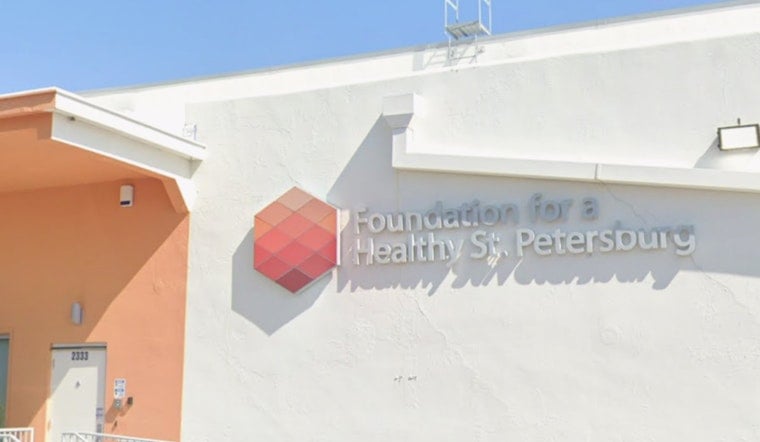
As reported by WFLA, host Amber Freeman spoke with Dr. Kanika Tomalin, president and CEO of the Foundation for a Healthy St. Petersburg, who pointed out that “about 80% of our health outcomes are shaped by the everyday circumstances of our lives” and that neighborhood flooding only amplifies those underlying risks. Tomalin told WFLA that repeated inundation can chip away at access to medical care, housing stability and the basic material conditions that drive poor health outcomes.
Local Projections and Planning
Local planners and scientists say these changes are already measurable and are likely to worsen without serious action. The City of Tampa’s vulnerability assessment, which draws on work from regional science panels, uses intermediate high sea level scenarios that translate to roughly three feet of local sea level rise by midcentury under some models. The assessment warns that wastewater systems, roads and low-lying neighborhoods could face chronic inundation if those projections play out. In response, the city report recommends zoning changes and stormwater system updates to protect basic services and keep critical infrastructure functioning. City of Tampa
Homeowners Lift Houses as Floods Bite
In spots where the water just keeps coming, many homeowners are deciding it is easier to go up than to move out. Local coverage has shown crews raising dozens of houses after the 2024 hurricane season, and contractors report they are booking far more elevation jobs than in past years. The same reporting has highlighted that enrollments in state and federal elevation programs are climbing in 2026 as residents try to protect their investments without leaving their neighborhoods. Bay News 9 documented the trend.
Money, Policy and Equity
Raising a house is not cheap, often costing tens of thousands of dollars, so public programs and grants are quietly deciding who gets to stay and who may be forced to go. Regional planners estimate that billions of dollars in property value could be at risk if daily tidal flooding becomes routine. In response, the city’s climate action documents describe pilot efforts, buyout discussions and regulatory ideas such as overlay zones and stronger disclosure rules to help guide future decisions. Foundations and health organizations warn that without targeted funding, lower income neighborhoods will end up shouldering the heaviest health and economic burdens as the water rises. City of Tampa
What to Watch Next
In the coming years, residents and officials alike will be watching how updated flood maps redraw risk, how many homes enroll in state and federal elevation programs, and how the emerging regional coastal plan decides which neighborhoods get first shot at mitigation money. For a preview of what is at stake, officials and residents can explore sea level scenarios and neighborhood level risks using mapping tools and technical guidance from regional partners. NOAA and the Tampa Bay Estuary Program host the maps and supporting science that are helping shape those choices.





