

























































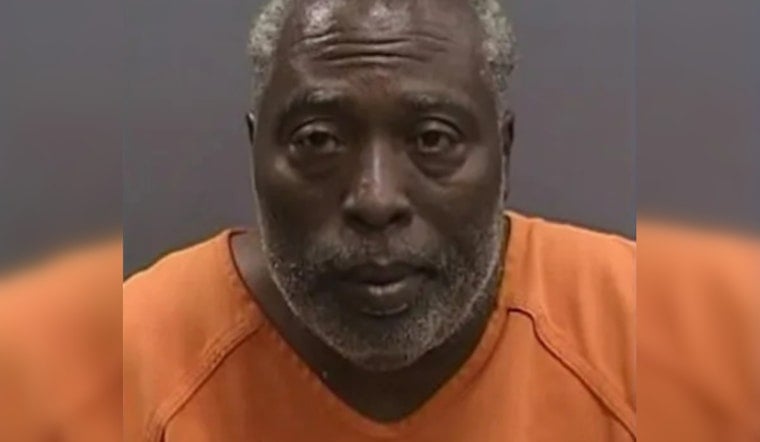
A Tampa test drive turned into a dayslong disappearing act when a man allegedly took off in a Tesla Cybertruck and did not bring it back, only to be arrested after he later walked back into the same dealership. Staff used the truck’s built-in tracking to spot it sitting in a Home Depot parking lot days after it went missing, then recovered the vehicle before deputies were even called.
What the affidavit says
According to a criminal affidavit reviewed by FOX 13 Tampa Bay, 51-year-old Dexter Smithen signed a test-drive agreement on March 26, 2025, that limited him to 30 minutes with the Cybertruck. Investigators say he did not return the vehicle within that window. The affidavit states that another sales associate later used the truck’s geolocation system to track it to a Home Depot parking lot on March 31, 2025.
The document says the associate went to that lot, spotted the Cybertruck, and recorded cellphone video of Smithen there before taking the vehicle back to the dealership. Deputies say Smithen then returned to the dealership on April 1, 2025, to retrieve belongings he had left behind and was arrested at that time.
Dealer tracking led to recovery
The salesperson’s ability to follow the Cybertruck’s live location is what made the recovery possible, according to the affidavit coverage. When deputies searched Smithen, they say they found five credit or bank cards bearing other people’s names. He has been charged with grand theft of more than $100,000 and unlawful possession of personal identification, with Fox News noting the arrest and charges cited by Hillsborough County authorities.
What the Cybertruck’s systems actually do
The Cybertruck includes an off-road "Wade Mode" that raises the air suspension and uses the suspension compressor to pressurize the battery enclosure before shallow water crossings. The vehicle’s display lists a wading depth of around 31 inches, and the mode automatically times out after about 30 minutes. Tesla engineers discussed those protections on a Jay Leno segment, where one engineer said the truck "almost floats" when the systems are active.
Elon Musk has also publicly teased a separate "mod package" that could let a Cybertruck traverse short stretches of water, writing that Tesla would "offer a mod package that enables Cybertruck to traverse at least 100m of water as a boat," as reported by TechSpot.
Why this matters for privacy and policing
The Tampa recovery highlights a broader reality: many modern EVs are "always connected" and can report location back to manufacturers in close to real time. The Washington Post has detailed how Tesla’s network and charging logs have been used in investigations and noted that vehicles can send data back to the company as events unfold.
At the same time, congressional probes have flagged uneven automaker policies about turning over location data to police. Some companies may provide location history in response to a subpoena instead of limiting such disclosures to cases where there is a warrant, a point explored in legal coverage from Bloomberg Law.
Legal status and next steps
Hillsborough County deputies booked Smithen on the theft and identification-related charges described in the criminal affidavit, and the case will proceed through the county courts. Local authorities say the dealership had already recovered the Cybertruck before police were contacted and that the affidavit is the basis for the charges, according to FOX 13 Tampa Bay.
What Tampa buyers should take away
For Tampa-area shoppers, the episode is a mixed bag. Telematics and dealer tracking can make it far easier to recover a missing vehicle and to document what happened. At the same time, those systems raise ongoing privacy and legal questions about who can access a car’s movements and under what conditions. Prospective test drivers and owners should assume that many connected vehicles can be located by dealers, manufacturers and, in some situations, law enforcement.





