

























































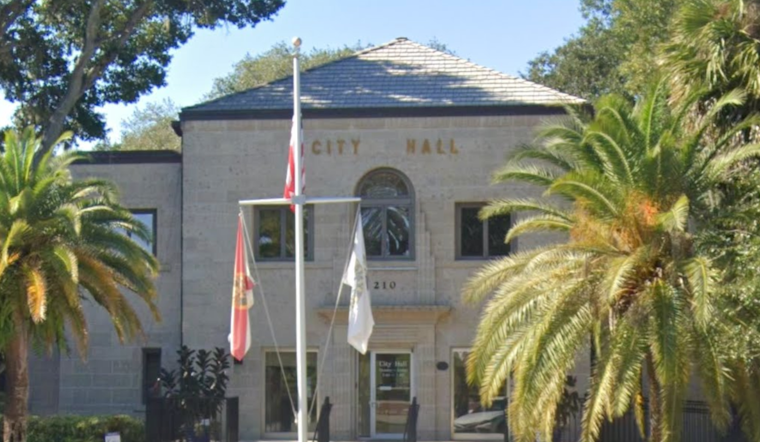
New Smyrna Beach officials are inching toward a possible new non‑ad‑valorem fire assessment after a July 14 workshop where consultants laid out a draft plan to move part of the city’s fire‑service costs off the regular property‑tax rate. The briefing was strictly informational, and commissioners took no vote, but staff repeatedly framed the assessment as a backup plan in case state‑level tax changes siphon off revenue. All of it is unfolding as a sweeping property‑tax amendment heads to the November ballot, potentially reshaping how cities pay for core services like police and fire.
Benesch Study: How Much Could Be Raised
According to the city’s agenda packet and a draft study by Benesch, the consultant identified an assessable fire‑service budget of about $10.7 million, then modeled four cost‑recovery options. Under a full‑recovery scenario, the report estimates the city could collect roughly $9.7 million to $10.2 million a year. Scaled‑back options at 75%, 50% and 25% recovery are projected to bring in about $7.2–$7.6 million, $4.8–$5.1 million and $2.4–$2.5 million, respectively. The draft also breaks out tiered rates for residential and non‑residential properties and details the statutory steps the city would have to follow before adopting any non‑ad‑valorem fire assessment.
State Amendment Changes the Calculus
At the state level, lawmakers have sent a constitutional amendment titled “Save Our Homes From Excessive Property Taxes” to the November ballot as CS/HJR 1‑F. The proposal would give the Legislature new authority to adjust assessment caps and expand certain homestead exemptions. As outlined by the Florida Senate, the measure would change the rules for yearly assessment increases and some ad valorem levies and would take effect on January 1, 2027, if voters sign off. That looming shift in the tax code is why city staff presented the fire‑assessment concept as a contingency plan instead of a move they want the commission to make immediately.
Where Other Cities Are Headed
New Smyrna Beach is hardly alone in bracing for potential fallout from the amendment. Local coverage from WKMG notes that city leaders have warned the change could strip “millions” in ad valorem revenue from municipalities. Nearby Sanford has also dusted off its long‑running debate over a fire‑assessment fee, with officials there again reviewing the option as property‑tax reform looms, according to WKMG. New Smyrna’s workshop fits into a broader Central Florida trend of cities exploring non‑ad‑valorem assessments as an alternate revenue stream if traditional property taxes take a hit.
Legal and Fiscal Implications
Any fire assessment would have to satisfy Florida’s legal test for a special assessment, meaning it must show a clear “special benefit” to the properties being charged and a fair way of spreading out the costs. The city’s draft report walks through that methodology and cites Florida case law. The Florida Supreme Court upheld a city’s authority to use fire assessments in the case Morris v. City of Cape Coral, according to Justia. In practical terms, New Smyrna Beach would have to go through public notices, hearings, and legal review before any new charge could show up on property tax bills.
What Comes Next
City Manager Kevin Cowper is scheduled to roll out a proposed $185,536,222 budget for fiscal year 2027 at a July 16 workshop, where commissioners are expected to dig into both the potential impact of Amendment 3 and the fire‑assessment option, according to the city’s announcement. The proposed budget documents and the consultant’s draft study are posted on the commission’s public meetings portal, and staff emphasized that the July workshops are informational only. Any decision to actually impose a fire assessment would have to follow the state’s formal adoption process. Commissioners signaled they want more analysis and plenty of public input before any ordinance is brought forward.
For now, the fire assessment sits squarely in the break glass in case of emergency category rather than on a fast track. The next round of budget workshops and hearings will reveal whether New Smyrna Beach shifts more of its fire‑service tab onto property bills or instead reshuffles other parts of the budget, all while voters weigh in on the statewide tax amendment this November.





