

























































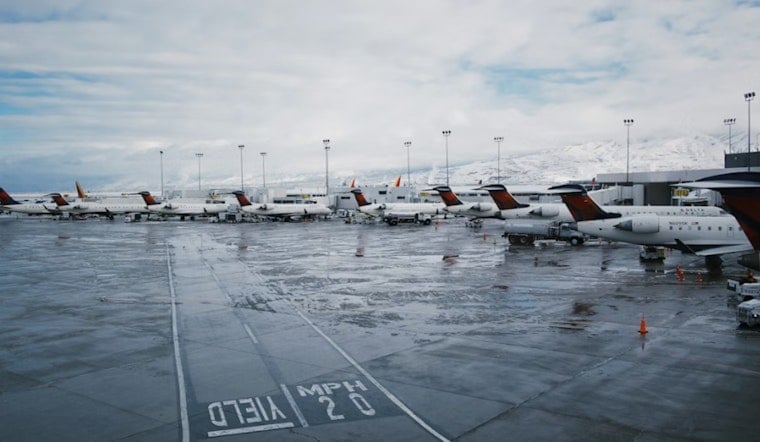
Thunderstorms rolling across the Houston area on Thursday turned into a major headache for air travelers, as the Federal Aviation Administration ordered ground stops at George Bush Intercontinental Airport (IAH) and William P. Hobby Airport (HOU). Departures were paused and midday flight schedules quickly backed up while the storm line pushed through.
FAA status and projected end times
On the FAA's airport-status page, Bush Intercontinental listed "thunderstorms" as the impacting condition, with departures affected and an expected end time of 3:00 p.m. CDT, along with delay estimates tied to the advisory. The FAA page for Hobby showed the same weather trigger, with an end time of 3:30 p.m. CDT. Both status feeds carried recent NOAA update timestamps. Officials signaled that travelers should brace for rolling holds until controllers can safely reopen more airspace and ramp crews are cleared to work normally.
Local reporting and immediate impacts
Local station Click2Houston highlighted the ground stops and cited FAA guidance showing Hobby's pause initially slated until 2:30 p.m., while Bush was projected to run until 3 p.m. Passengers with midday flights were urged to stay glued to airline apps and terminal monitors as departure times shifted and rows of status boards began to fill with yellow and red.
Why thunderstorms trigger ground stops
A ground stop keeps flights at their departure airports so controllers are not forced to accept more arrivals than the system can safely handle. Thunderstorms that bring lightning, gusty winds, or heavy rain often prompt the move, since those conditions can disrupt both flying and ramp work. The Houston Chronicle notes that weather-related pauses have been a recurring theme in the region this spring, and even short disruptions can ripple across a tightly packed afternoon schedule.
Why this matters now
The timing is extra rough. Houston Airports has been warning about elevated passenger volumes tied to events and the FIFA World Cup window, a combination that can make recovery from relatively short interruptions drag on longer than usual. With planes and crews already near capacity, even a brief weather hiccup can turn into a string of missed connections later in the day.
Travelers: What to do
Anyone flying into or out of Houston should closely track their flight status through their airline and live airport-condition feeds. Services such as FlightStats show current delays and estimated impacts in real time. If your itinerary is tight or time-sensitive, contact your carrier about rebooking options and build in extra time for check-in, security, and any last-minute gate or connection changes.
We will update this post if official advisories change or airlines announce schedule adjustments. For now, it is worth double-checking your airline app, the airport monitors, and official airport pages before committing to that drive out to the terminal.





