

























































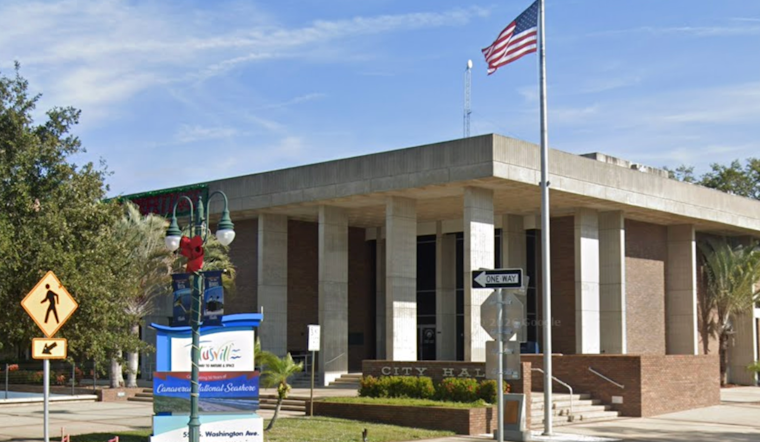
Titusville’s City Council has moved to shut out data centers from within city limits, voting last week to direct staff to write an ordinance that would ban the massive power users outright. Council members framed the move as a way to protect the city’s water and electric systems and keep neighborhoods feeling residential, even as tech firms are scouring Central Florida for cheap land and energy for hyperscale server farms.
What the council did
At its July 16 meeting, the council approved a motion banning (forbidding) data centers and told staff to come back with standards and a draft ordinance for the city, according to the City of Titusville. The move appeared on the official agenda and in the video archive alongside routine items like stormwater rates and other planning votes. Staff was instructed to return with legal analysis and drafting options for the council to debate in public.
Why officials pushed back
Council members and residents leaned on familiar arguments: large data centers chew through enormous amounts of electricity and water, create relatively few permanent jobs once construction is over, and can strain aging infrastructure. Public commenters also raised alarms about noise, light pollution, and what all of that could do to neighborhood character, as reported by Talk of Titusville. The concerns echo debates in other Florida communities that are asking whether the economic upside really offsets the long-term costs.
Part of a regional trend
Titusville is not acting in a vacuum. Across Central Florida, local governments have been tapping the brakes on big data-center projects while they sort out what the facilities could mean for utilities and growth.
The City of Lakeland has floated a temporary moratorium and set public hearings on approvals for large data centers, according to the City of Lakeland. Zephyrhills has already adopted a one-year pause on such projects, per WUSF, and reporting by Bay News 9 shows Pasco County and other jurisdictions weighing similar pauses as residents push for more transparency and technical study.
Local incentive fights
Brevard County, which includes Titusville, moved earlier this spring to keep data centers from qualifying for certain economic-development ad valorem tax exemptions as commissioners weighed the limited long-term jobs and heavy infrastructure costs tied to hyperscale facilities. Commissioners directed staff to prepare changes to the county’s incentive rules, according to Brevard County. Similar discussions have cropped up elsewhere in Florida as cities and counties question whether incentives really make up for utility demands and environmental impacts.
State law reshapes the playing field
All of this is unfolding under a new state law, CS/CS/SB 484, which the Legislature approved, the governor signed in May, and which took effect July 1. The measure spells out what counts as a “large-scale data center,” orders technical studies of their impacts, and requires utilities to set minimum tariffs so that large customers cover the infrastructure costs instead of pushing them onto typical ratepayers, according to the Florida Senate. The statute also pointedly preserves local governments’ power to control land use and planning for large-load customers.
What comes next
City staff will now draft ordinance language and bring the council options that could include zoning changes or specific development standards, the meeting materials indicate. Officials are expecting public hearings and more detailed analysis of water, power, and noise before any final ban is adopted, according to the City of Titusville. The city has not yet put a public timeline on when the draft rules will return to the council dais.
Why it matters
For residents, the fight is about tradeoffs. Data centers can mean tax revenue and construction work, but they can also lock in long-term demands on water and electricity and change how neighborhoods feel and sound. Business outlets have cast Titusville’s move as part of a broader shift in how cities are rethinking incentives and land-use rules for hyperscale projects, as reported by the Orlando Business Journal. What Titusville ultimately writes into law, and how surrounding counties react, will help determine where large data centers can set up shop in Florida.





