

























































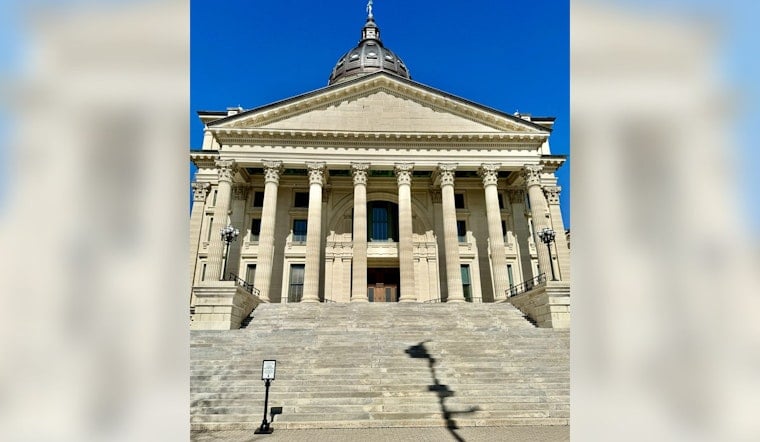
At the Kansas Statehouse this summer, the long‑running K‑12 funding fight has taken a sharp turn. Lawmakers and outside researchers are not just arguing over how many dollars flow into classrooms, they are asking whether that money is locked to strategies that actually move the needle on student learning. The Education Funding Task Force is collecting evidence and options ahead of a legally required report, and the outcome could reset how Kansas carves up billions in school funding once the current formula runs out.
Lawmakers, Data And Local Pressure
Some lawmakers are openly questioning what taxpayers are getting for the money already in the system. Republican Rep. Megan Steele told colleagues, "There's no accountability level to ensure that they are producing students," while Rep. Mari‑Lynn Poskin countered that, "It's not just about funding. We want performance, right?," as reported by KSHB. The numbers they are staring at are not exactly comforting: the National Center for Education Statistics found about 40 percent of Kansas fourth‑graders scored below the NAEP "basic" reading level in 2024, a benchmark that keeps getting invoked as policymakers debate where to steer new literacy spending.
Researchers: Align Spending With Strategy
Policy analysts are warning that simply turning up the money spigot will not guarantee better outcomes. They argue that funding needs to be explicitly tied to strategies with a track record, such as instructional coaching, high‑dosage tutoring and curriculum supports that are actually used in classrooms. Matthew Joseph, a senior policy advisor who has examined enrollment and budget shifts for ExcelinEd, says falling enrollment can free up dollars that states should intentionally redirect into learning‑focused interventions instead of letting the money drift into long‑standing budget lines that do little to change results.
Local Districts Push Back
Suburban districts in Johnson County say the view from Topeka leaves out a critical part of the story. Shrinking student rolls, they argue, combined with special‑education programs that the state does not fully fund, have opened up budget gaps that no amount of rhetorical “accountability” will close, according to KCTV5. A coalition of the Blue Valley, Olathe, Shawnee Mission and De Soto districts warns that state shortfalls have forced them to absorb millions of dollars in special‑education costs, a strain that helps explain why lawmakers are now wrestling with both how much money is in the system and how fairly it is distributed.
What Comes Next
The Education Funding Task Force has met multiple times but has not yet issued formal recommendations to the Legislature, according to a report by the Kansas Legislative Research Department. State law requires the task force to deliver a report to the Legislature and governor on or before January 11, 2027, per the Kansas Legislature. Lawmakers and district leaders say the real drama will play out in the technical details, from how weightings are calculated to which interventions actually get funded, because those choices will decide whether Kansas’s next formula improves reading and math outcomes for the students who need help the most.





