

























































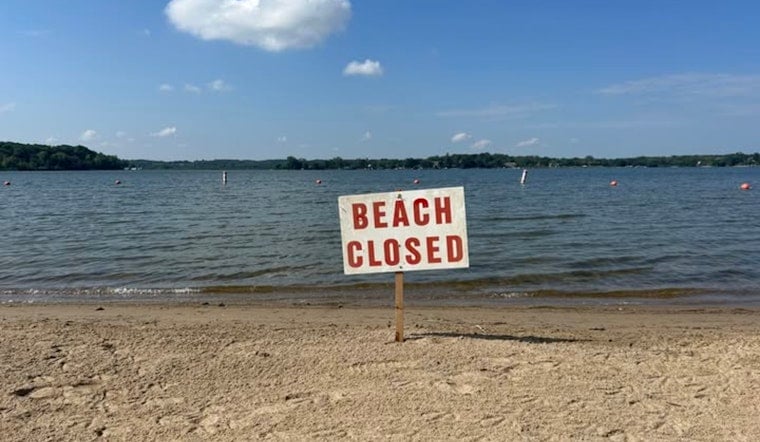
Pleasant Lake's private beach in North Oaks is now off limits after recent tests detected elevated blue-green algae toxins and signs of bacterial contamination, and local leaders have launched a focused study to find out why. Consultants are slated to collect water and sediment samples through the summer, then use the results to recommend short- and long-term fixes for the lake and its shore. Residents should expect advisories and limited water access while monitoring continues.
Testing and the beach closure
The North Oaks Homeowners Association posted a community notice closing the Pleasant Lake beach to swimming after visible algal blooms and follow-up testing showed elevated microcystin and occasional E. coli. The association urged residents to avoid contact with the water, rinse off after any possible exposure and keep pets away while lab work proceeds. The closure and advisory were also posted by the city as part of its community communications. City of North Oaks
Task force hires consultants and schedules sampling
A Pleasant Lake task force has brought in consultants to run an intensive field program this summer, with multiple rounds of water sampling planned across the season and sediment work slated for early fall. The study is designed to pinpoint whether the blooms are driven by watershed runoff, internal sediment releases, pumping from the Mississippi River system, or some mix of those sources. As reported by PressPubs, the consultants will coordinate with regional partners while collecting samples.
Where Pleasant Lake fits in the regional water system
Pleasant Lake sits inside the Vadnais Lake Area Water Management Organization boundary and is part of a chain of lakes that St. Paul Regional Water Services uses to move Mississippi River water toward the McCarrons treatment plant. VLAWMO notes that the system normally pumps on the order of tens of millions of gallons a day through the lake chain to serve hundreds of thousands of customers, and that river water inflow plus historically elevated phosphorus levels make Pleasant Lake particularly vulnerable to blooms. Vadnais Lake Area Water Management Organization (VLAWMO)
Funding, schedule and next steps
According to the City Council packet and briefing materials from the City of North Oaks, Barr Engineering's Phase 1 engagement, which covers data review, issue identification and a monitoring plan, carries a fixed-fee cost of roughly $29,500, an amount the task force and NOHOA have approved to get work started. The group also reports a remaining monitoring budget gap of roughly $15,000 to $20,000, and local fundraising, including support from the North Oaks Community Foundation and a private donor offer, has been tapped to cover that shortfall. After this summer's sampling and analysis, consultants will draft a comprehensive lake management plan and recommend near-term mitigations to reduce the chance of repeat closures. Additional background on the study and funding effort has been reported by PressPubs.
What residents should watch for
Officials are asking residents to report suspicious surface blooms, avoid contact with discolored or foamy water and keep pets away from affected areas until tests clear the site. Toxic blue-green outbreaks have closed other Twin Cities beaches in recent seasons as warm temperatures and nutrient loads create ideal conditions for blooms, underscoring why the Pleasant Lake task force is treating this as both a local concern and a regional water-quality issue. CBS Minnesota



